
- Are you between 16 and 19 years old? On Friday 11 September, Lydbryter invites young people to a free performance of crypt_. Read more and book your ticket here!
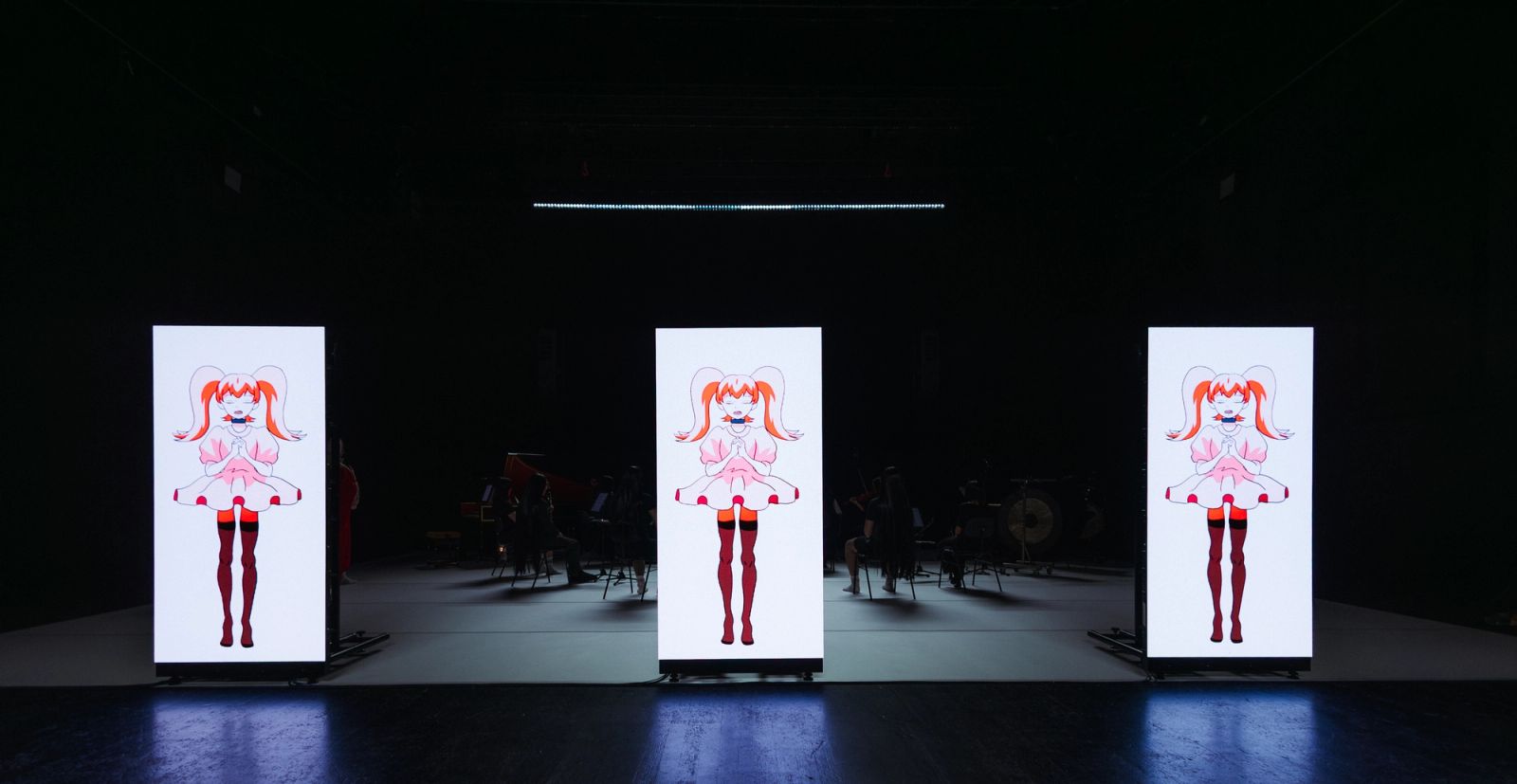
An anime opera about money, fame, art and life
A blind musician plays for an audience he cannot see. Night after night he performs his best, convinced he is entertaining a great lord and his court. Only later does he learn the truth: he has been playing for the dead.
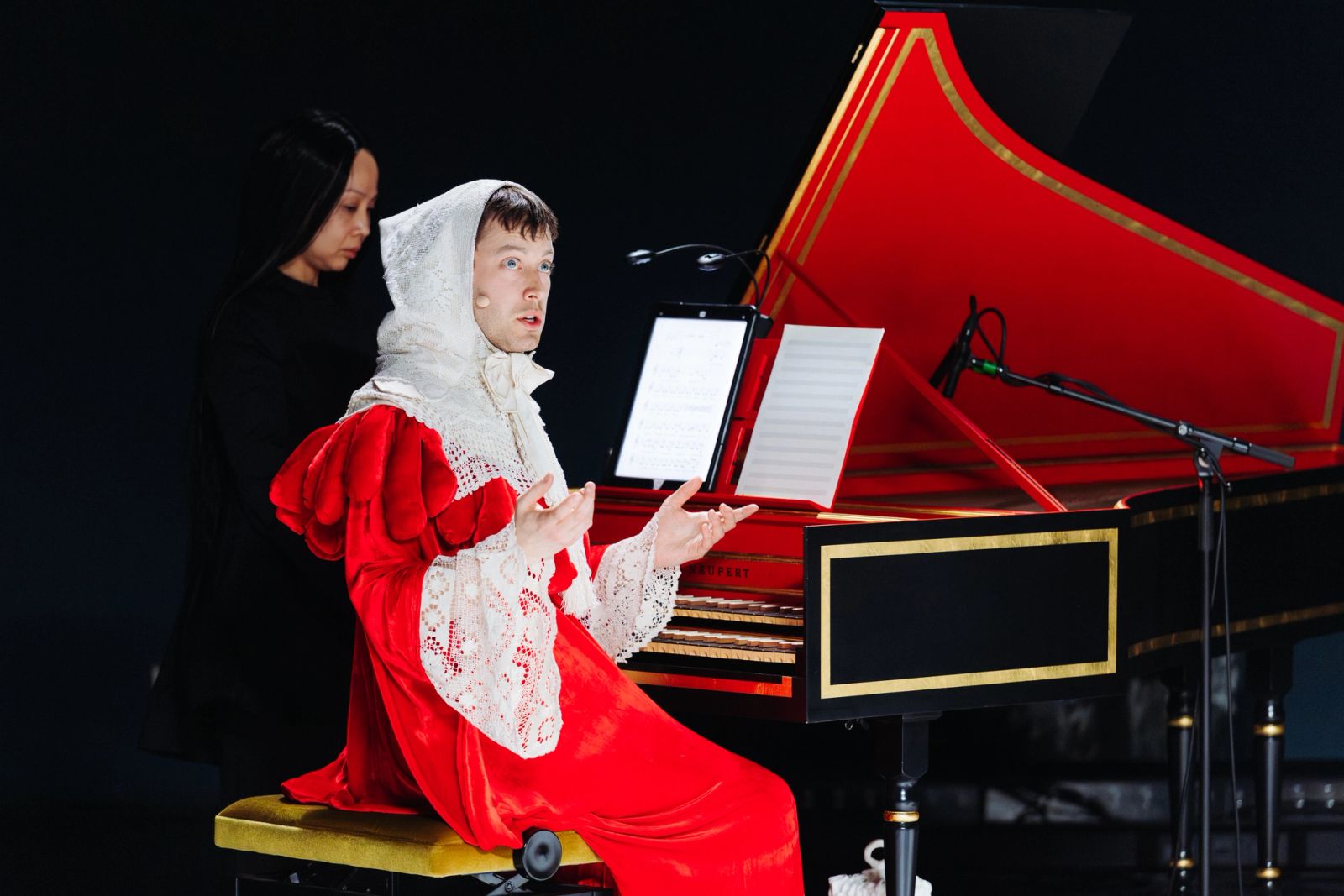
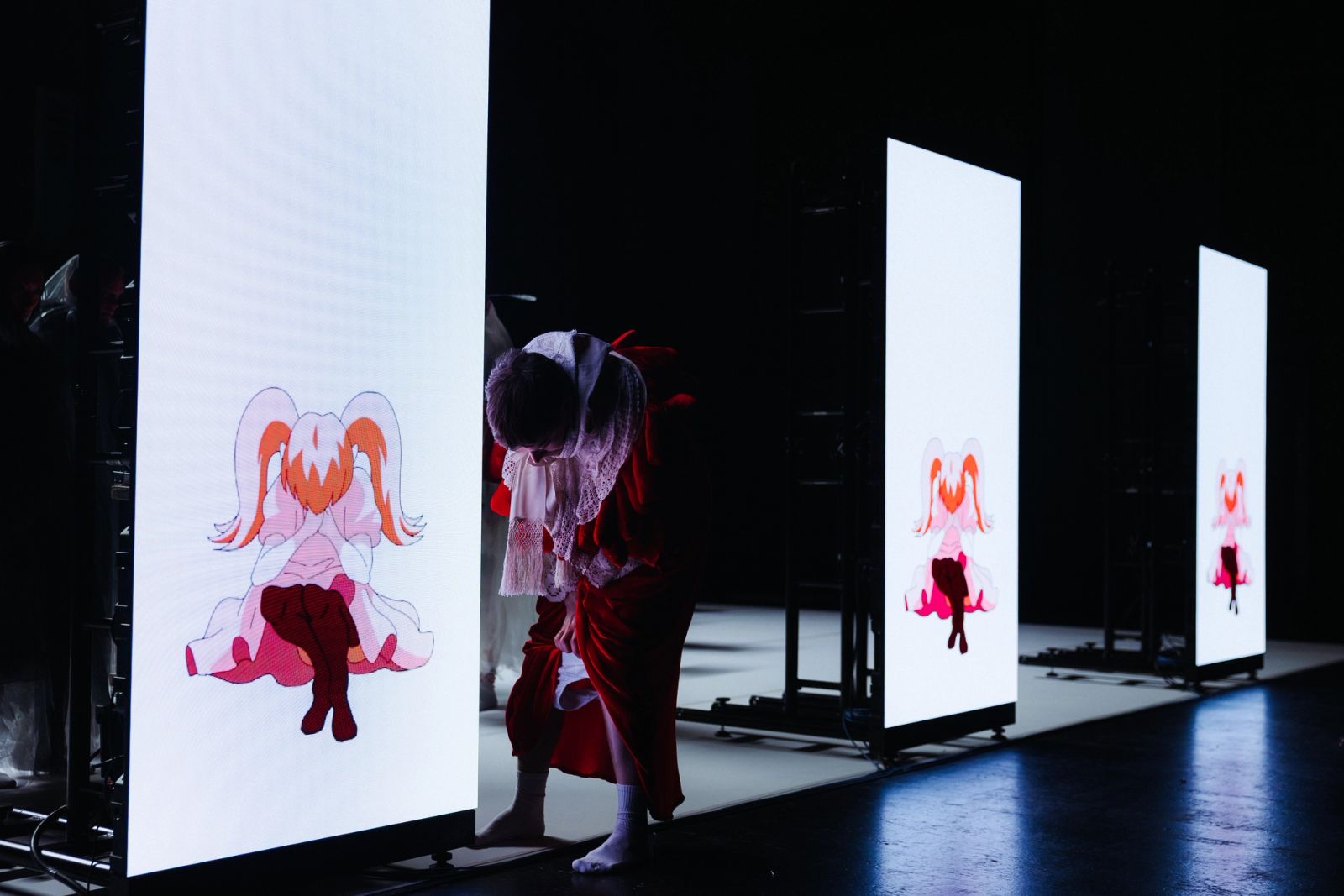
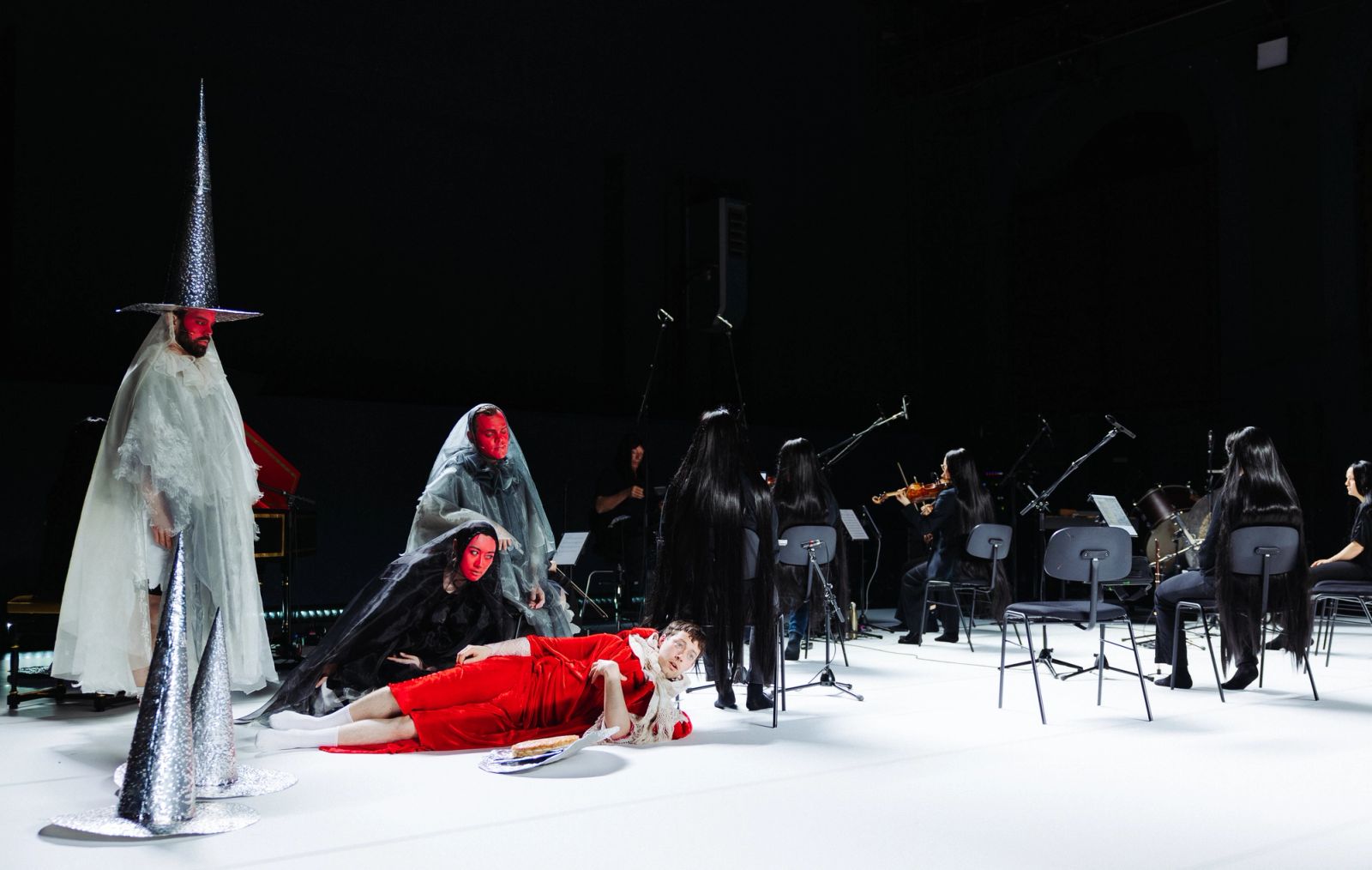
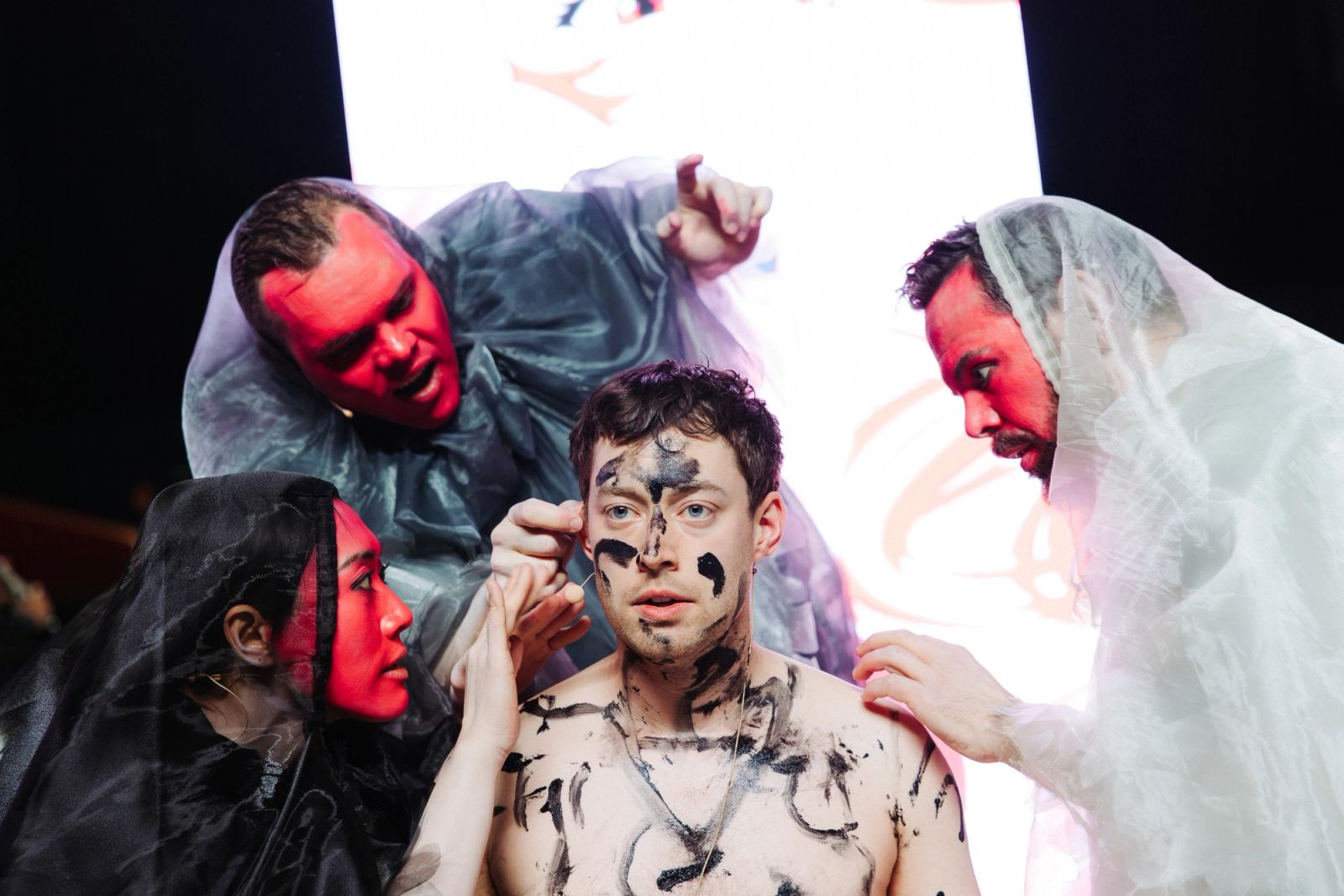
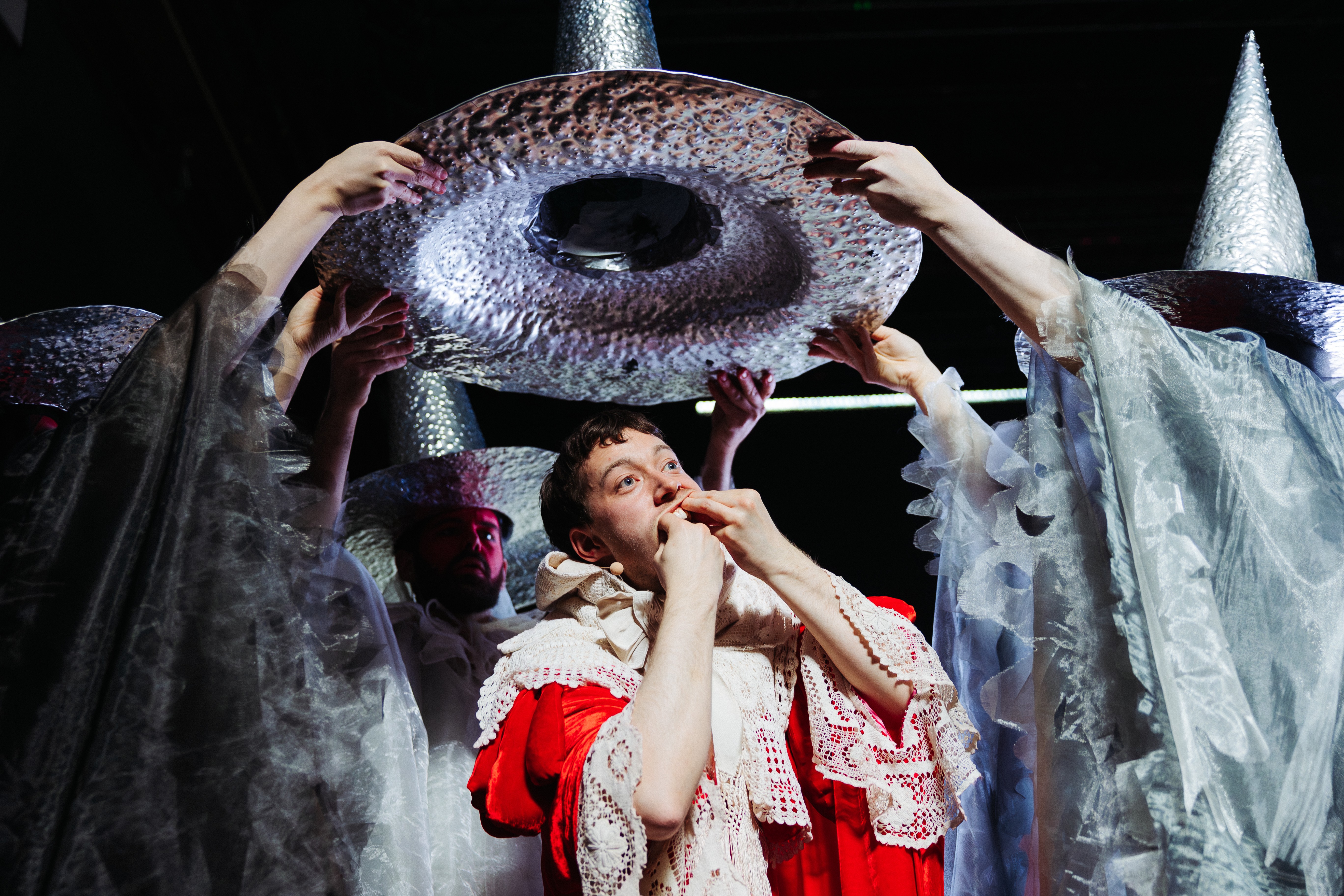
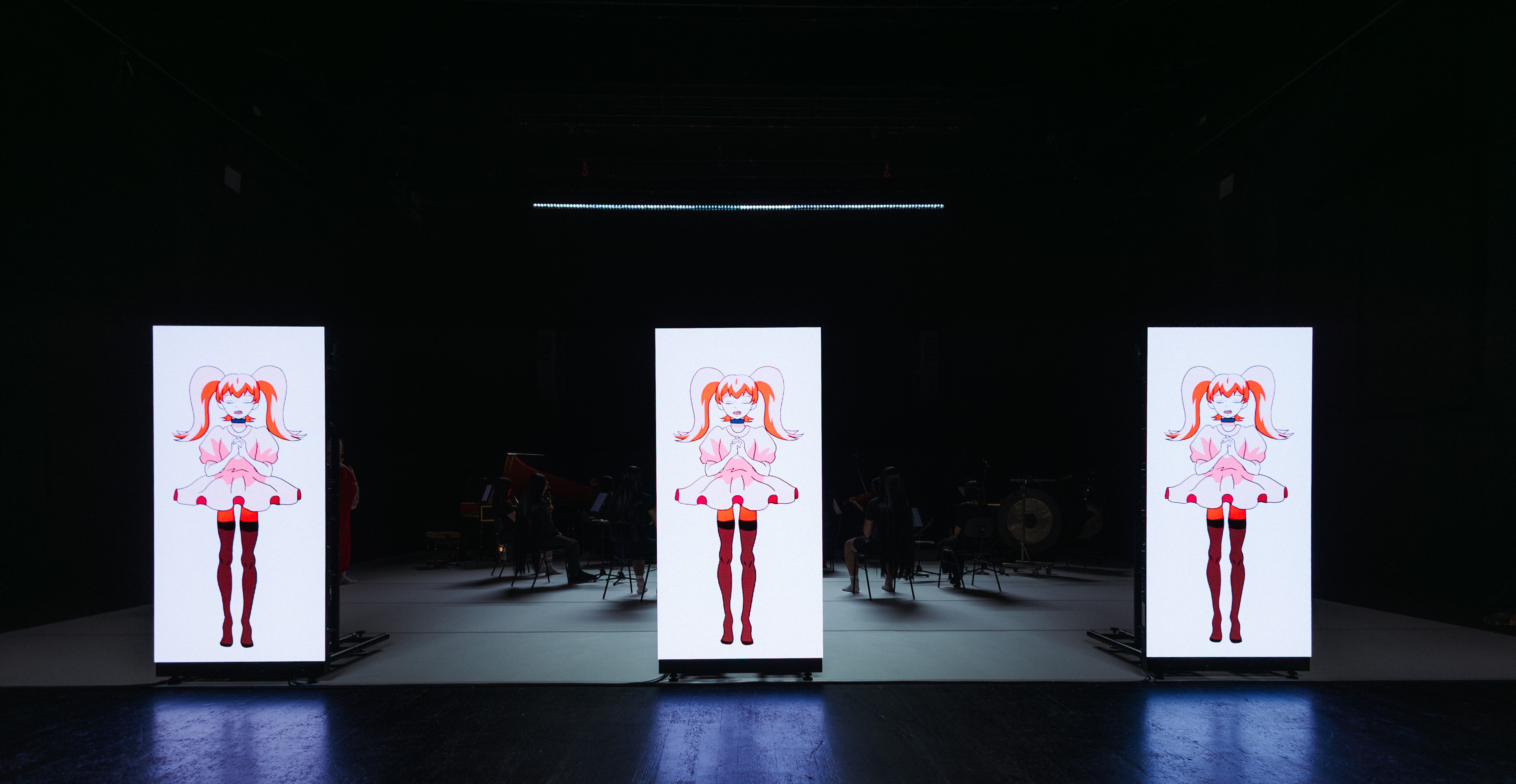
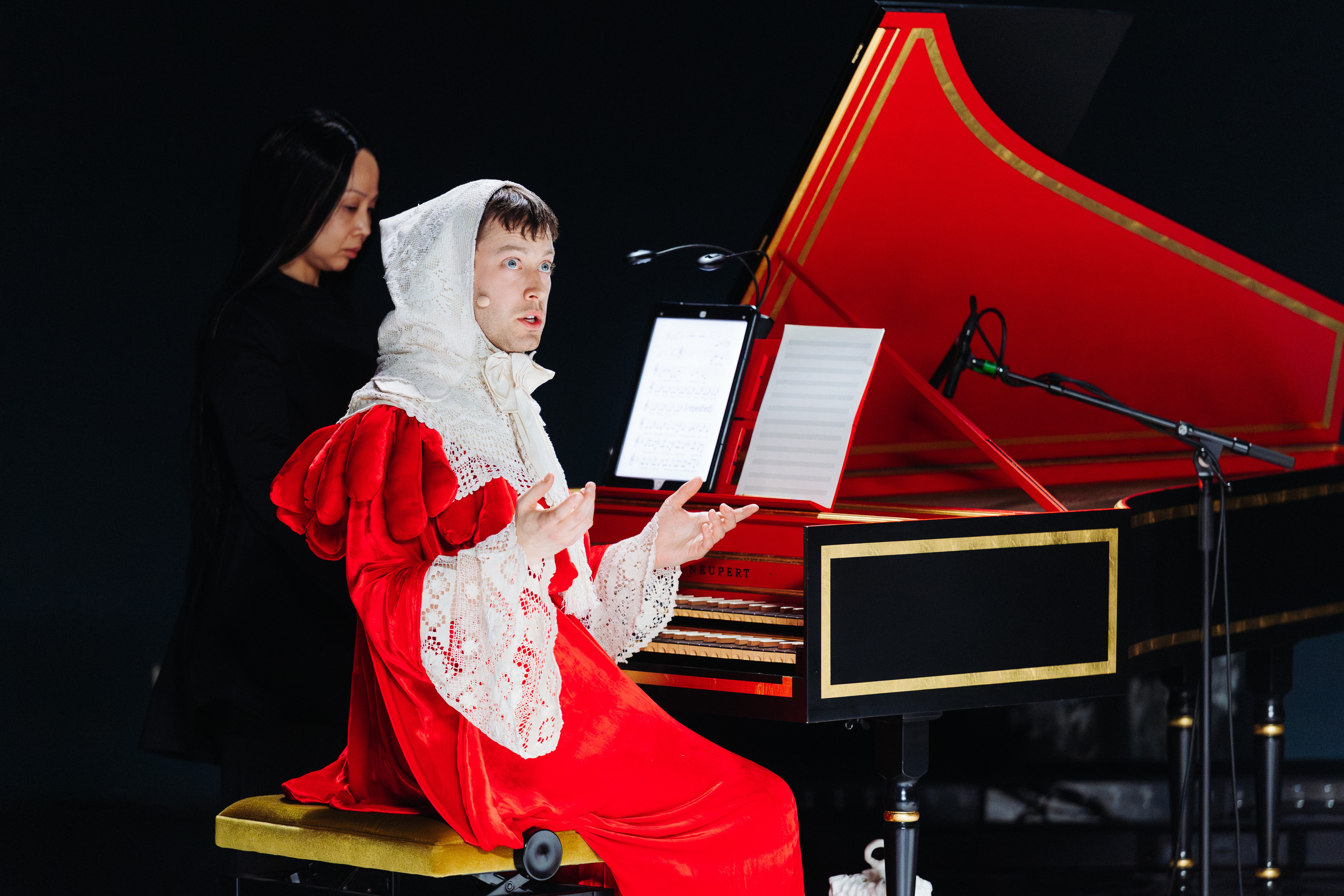
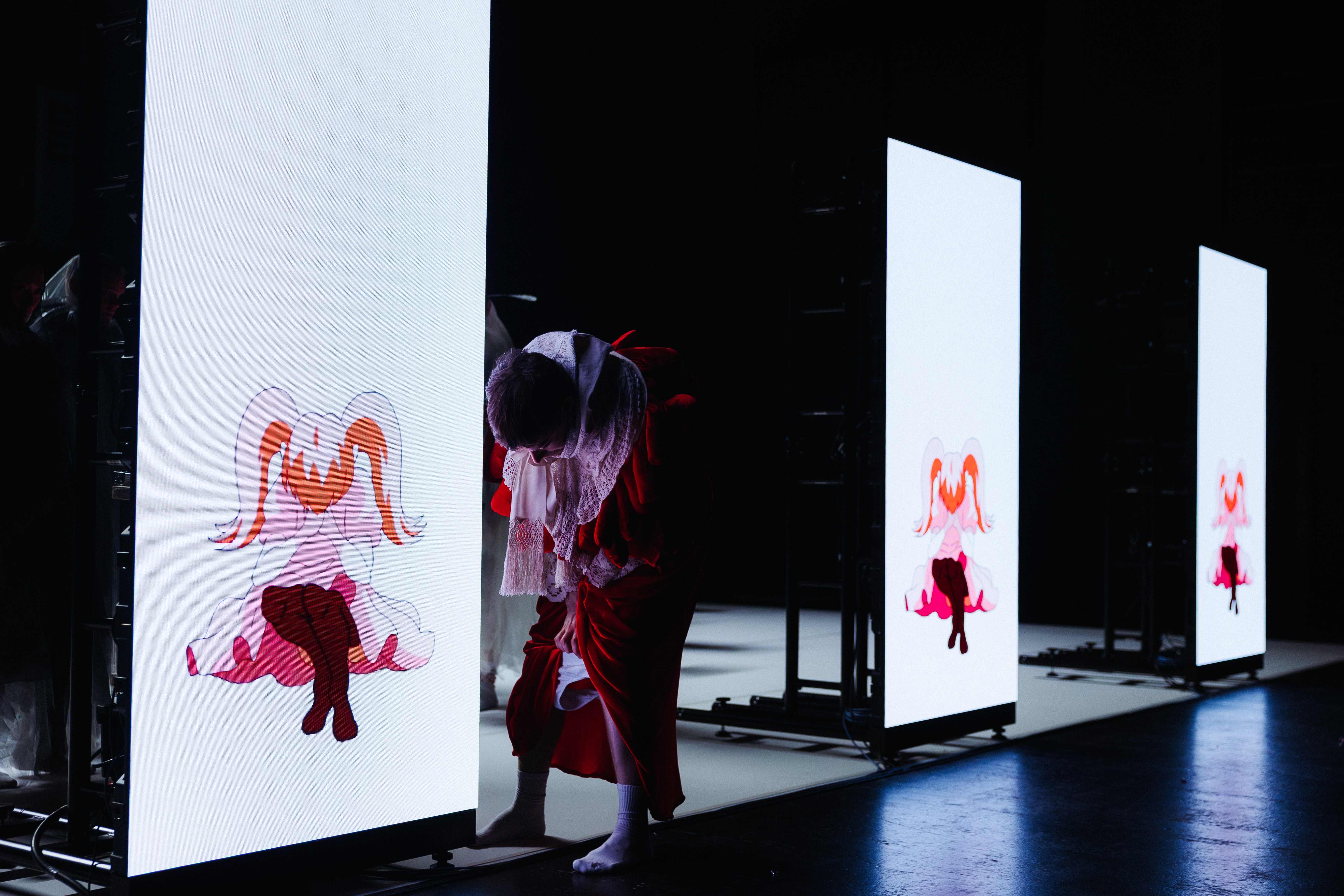
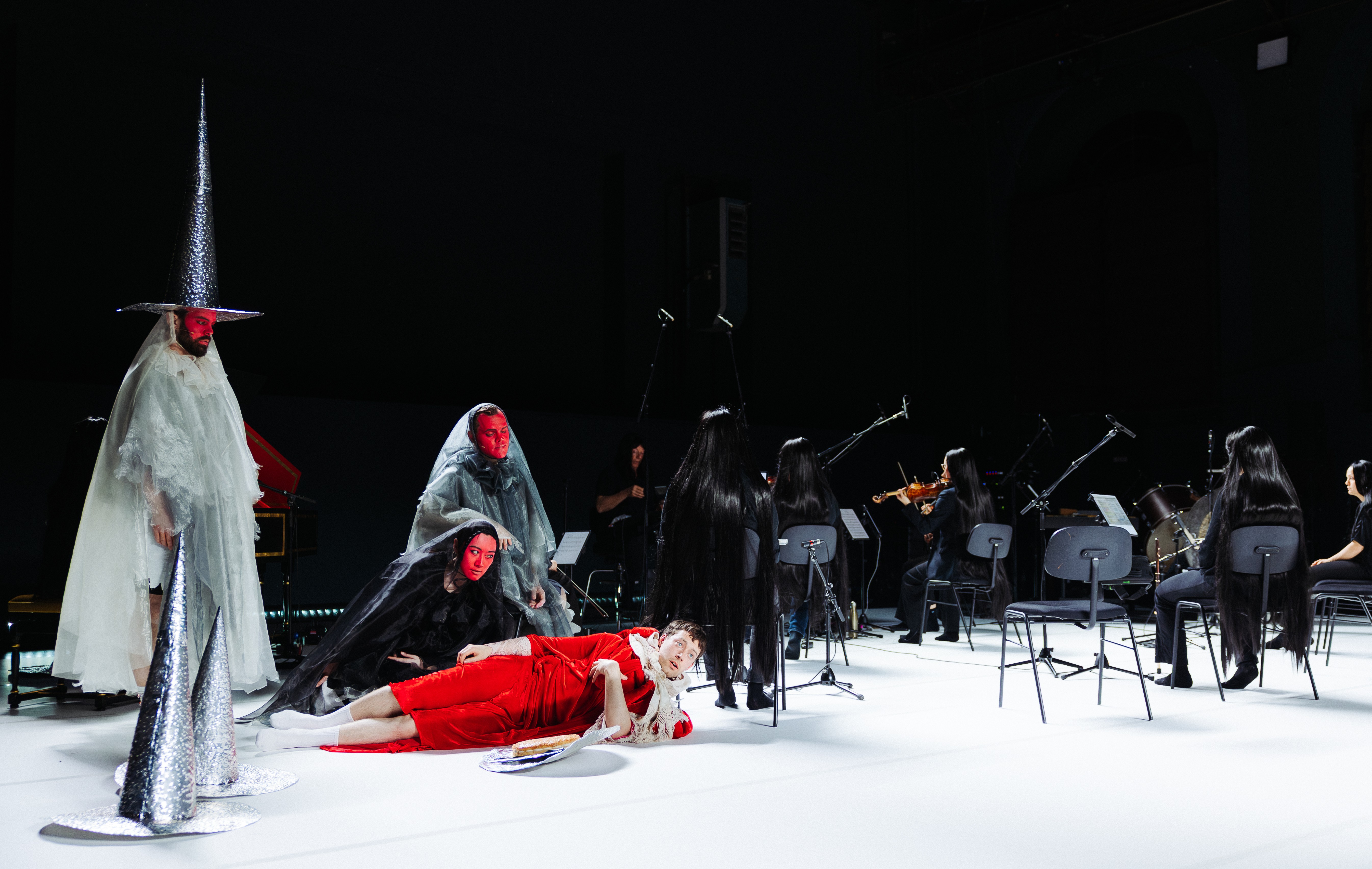
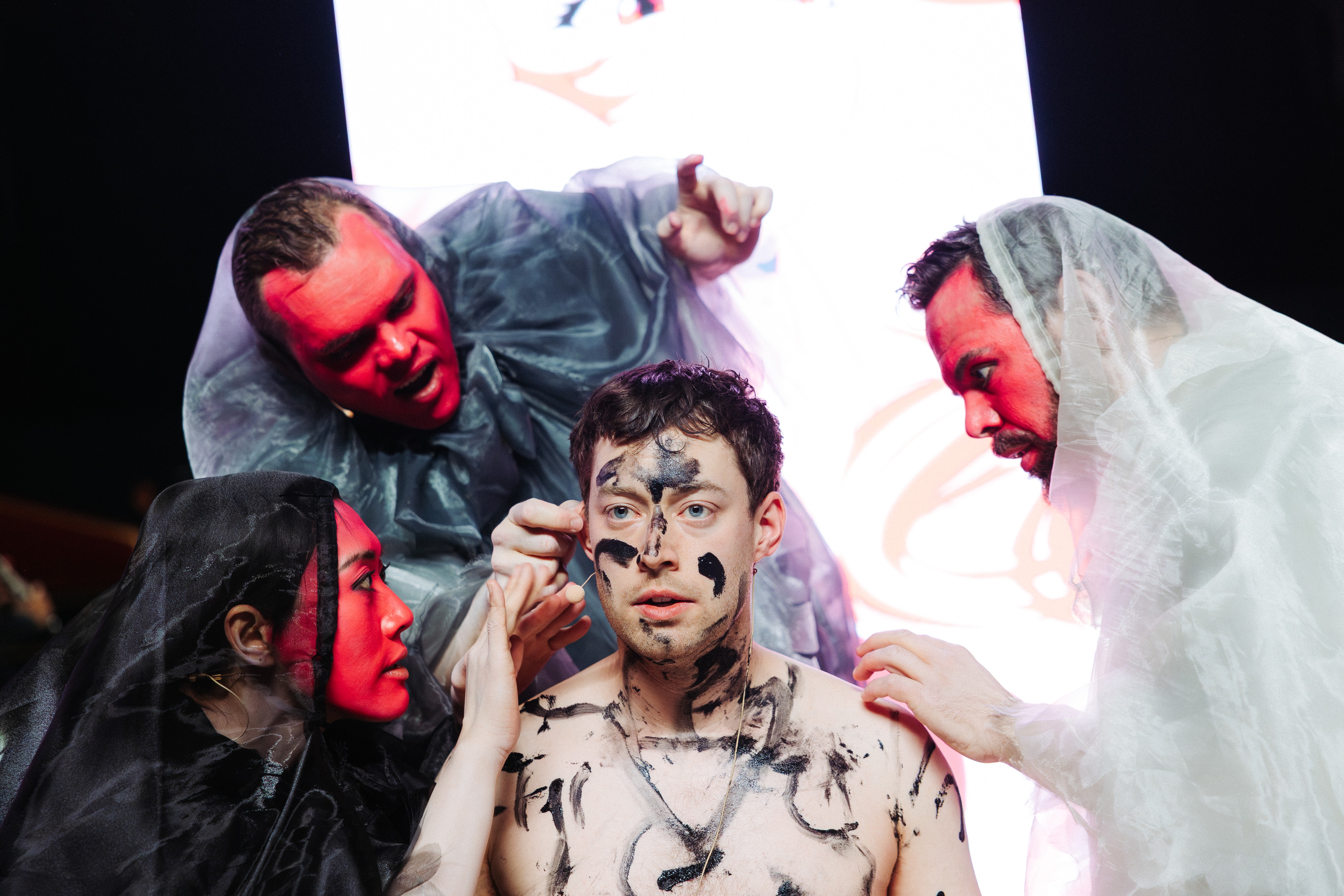
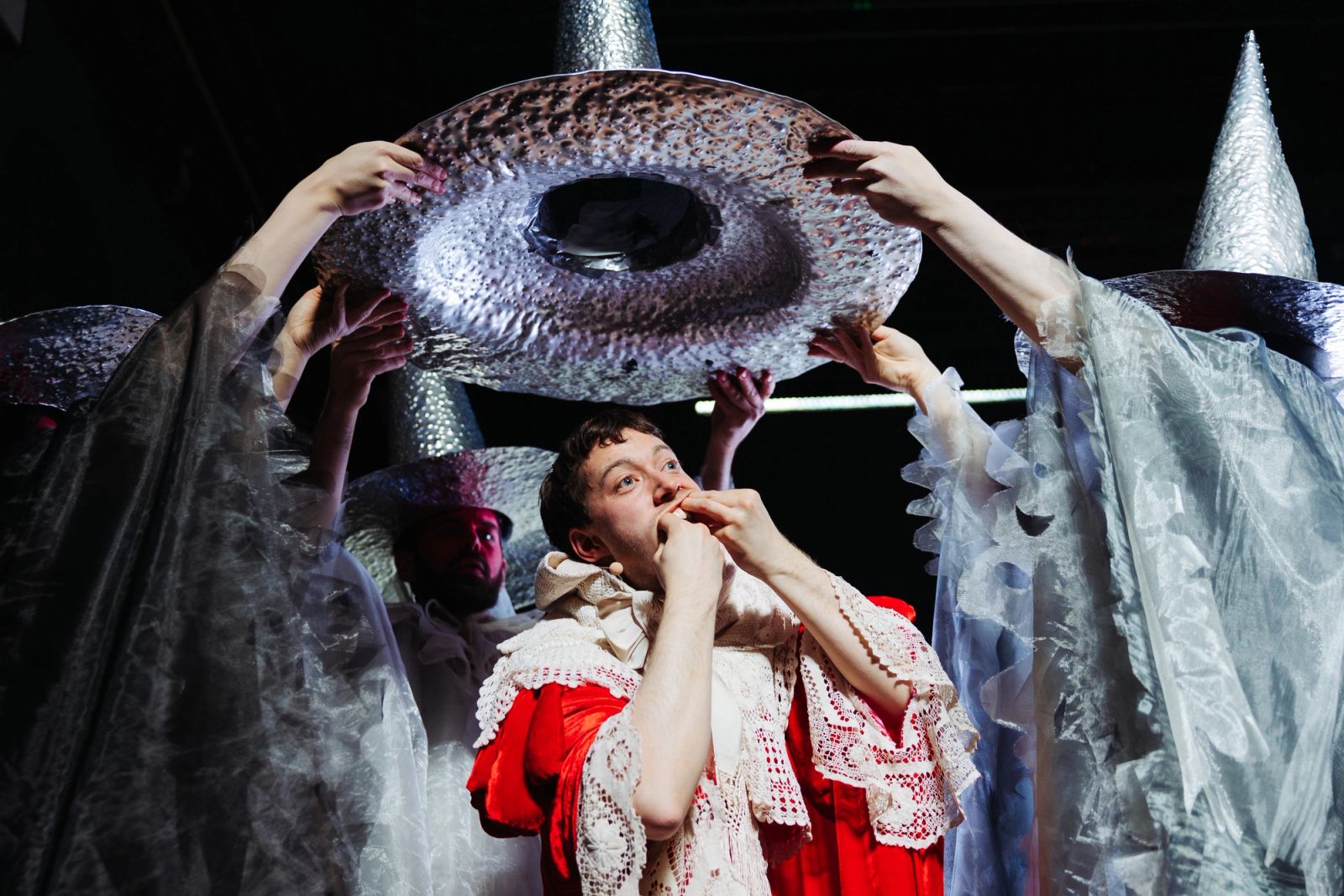
The Japanese ghost story of Hoichi the Earless has haunted Japanese culture for centuries. For Yuri Umemoto, it became something more personal: a mirror. In crypt_, Hoichi's tale is transposed into the present, where a young composer, Umemoto's own alter ego, is lured into a crypt beneath a European church. There he encounters three ghostly nobles and their digital doubles, who put his deepest longings to the test: his ambition, his faith, his music, his sense of who he is.
Keys to crypt_
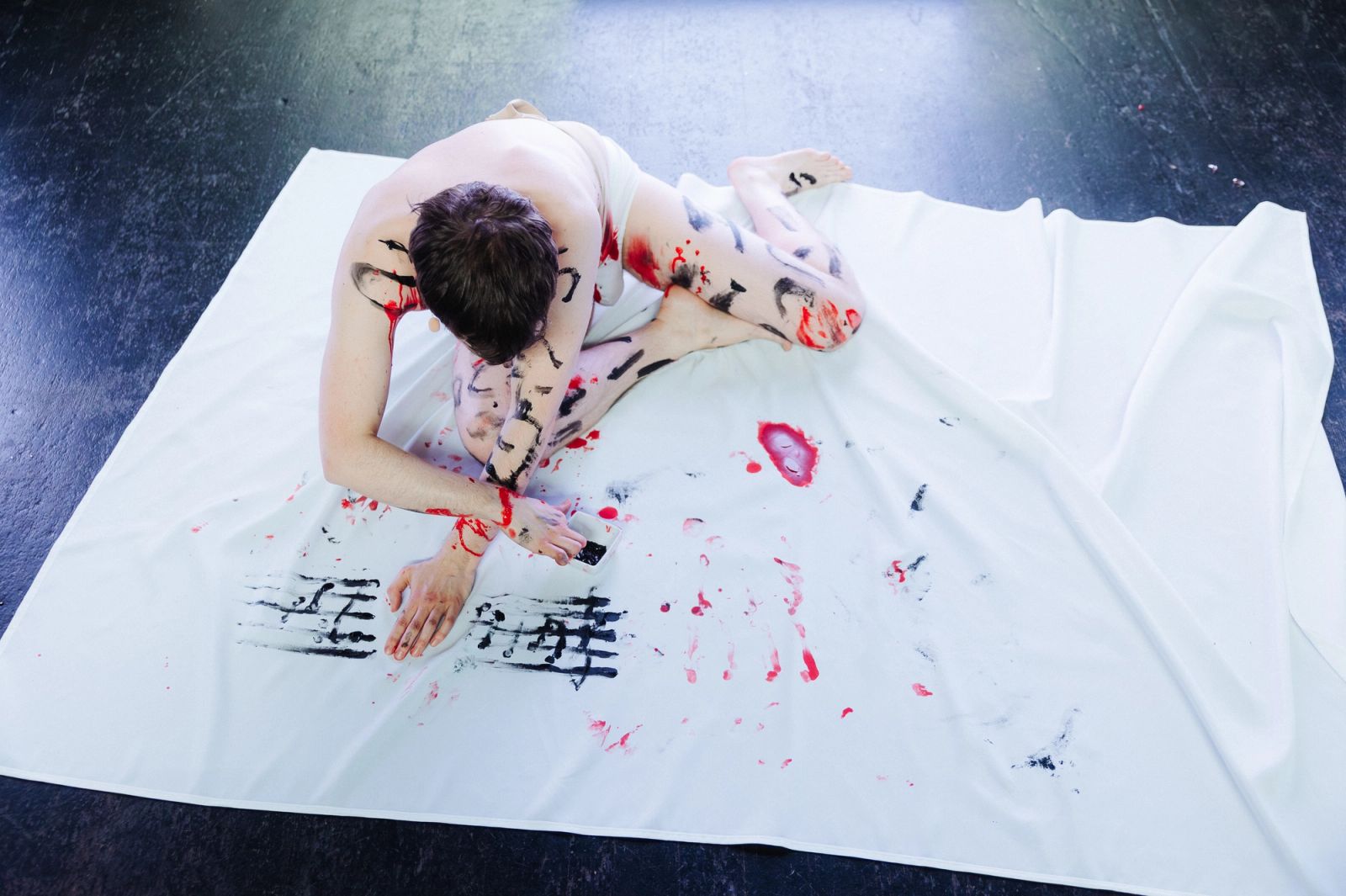
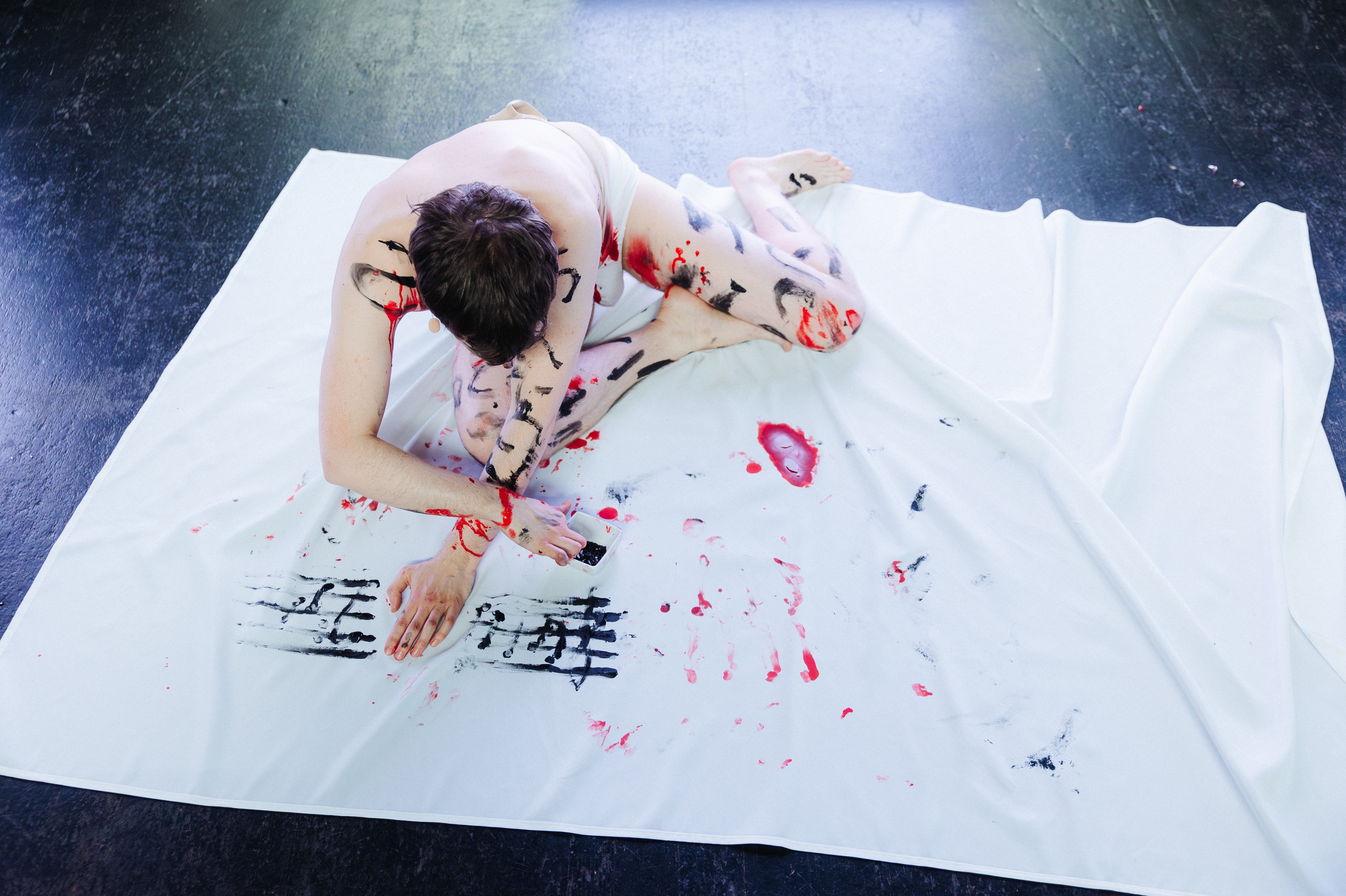
- crypt_ is inspired by the Japanese ghost story of Hoichi the Earless, a blind biwa player whose music draws the dead to him. Monks try to protect Hoichi with sacred texts written on his body, but forget his ears, which the ghosts tear away.
- The crypt is both a place and an image: a tomb, a memory chamber, a data space, a subconscious.
- One of Umemoto’s techniques is “speech melody”, where voices from anime are imitated instrumentally and combined with original recordings. Sung voices are also distorted and pitched, so that the human voice becomes unstable, mediated and transformed.
- Umemoto’s sound world is shaped by the environment he grew up in: anime, manga and pop culture, but also classical choral singing, Catholic liturgy and studies of composers such as Luciano Berio and George Crumb.
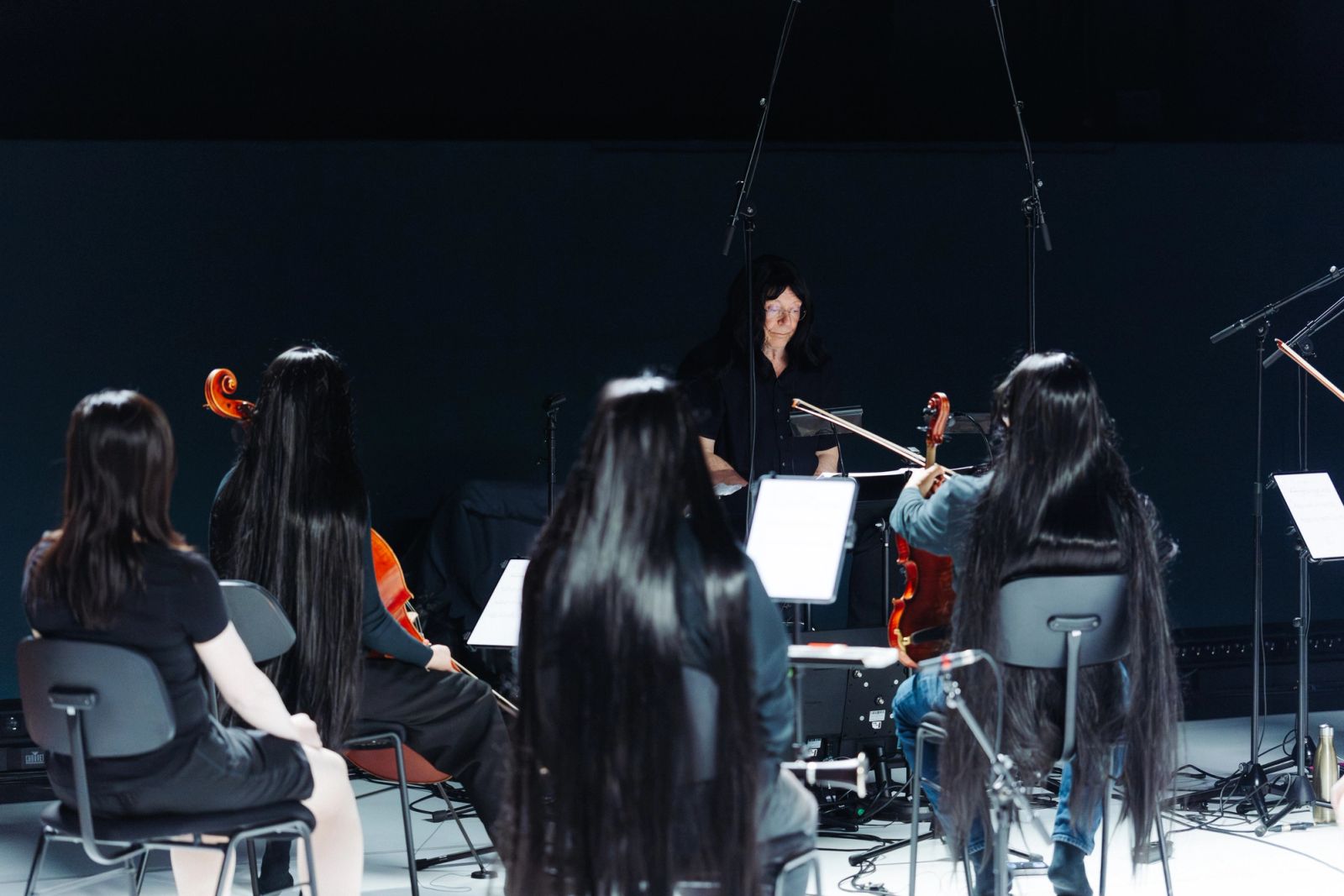
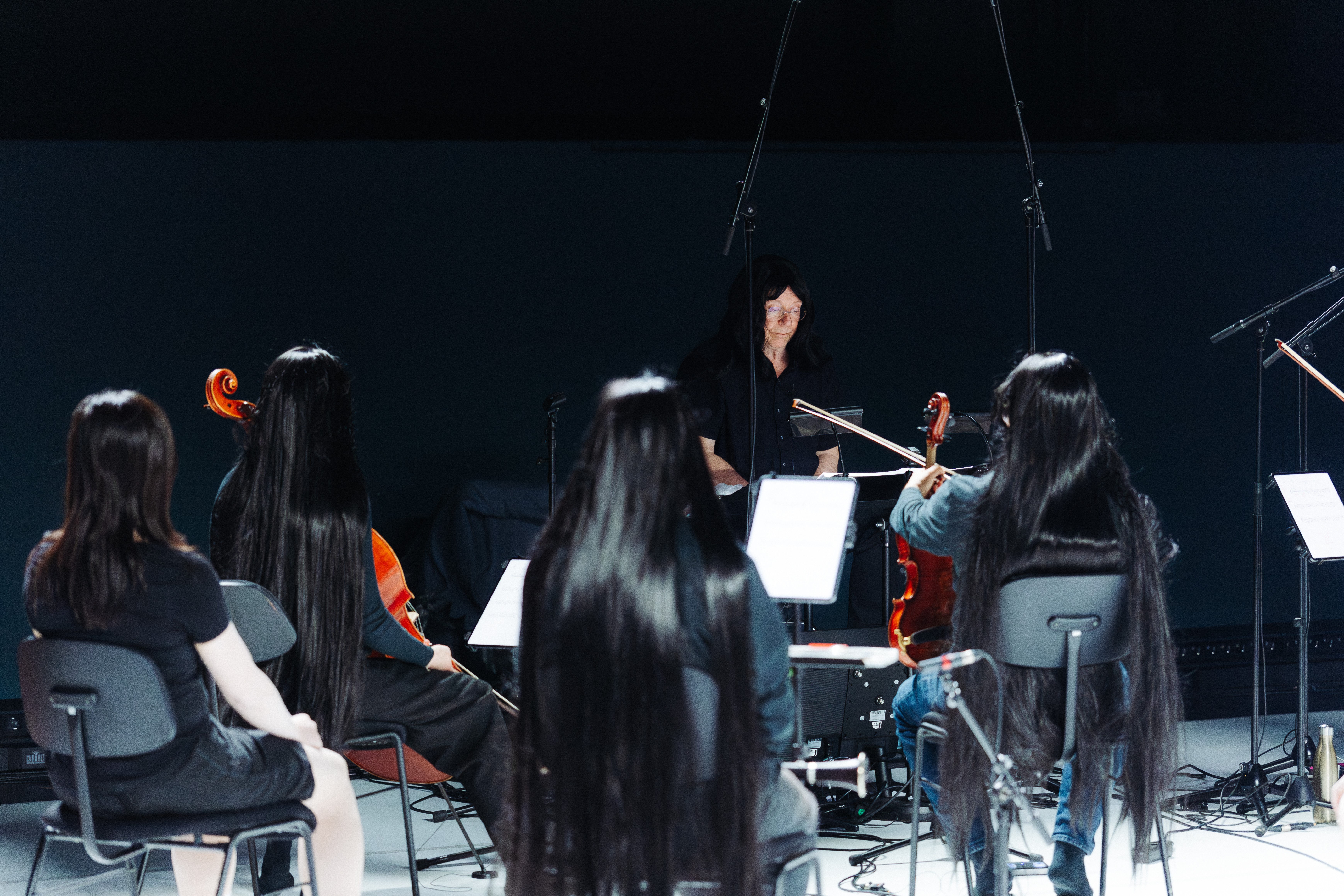
● Yuri Umemoto grew up in Akihabara in Tokyo, surrounded by the visual and sonic worlds of Japanese popular culture, while also listening to Western classical music and singing in Catholic church choirs. These worlds never fully separated. In crypt_, they collide. Four classical singers and Oslo Sinfonietta share the stage with pre-recorded voices and animation. Anime speech is imitated instrumentally and folded into the score. The singing is stretched, pitched and transformed, in a world where the line between body, voice and image is never stable.
The question at the heart of the opera is deceptively simple: what do you want, and at what cost? Like Hoichi, the composer discovers that the desire for more, more recognition, more belonging, more life, can lead you somewhere you did not intend to go.
Soloists
Peyee Chen, soprano
Sean Bell, countertenor
Mathias Monrad Møller, tenor
Halvor Festervoll Melien, baritone
Oslo Sinfonietta
Anne Karine Hauge, flute
Rolf Borch, clarinet
Marie Tetzlaff, oboe
Karin Hellqvist, violin
Emilie Lidsheim, violin
Bendik Foss, viola
Ingvild Sandnes, cello
Sanae Yoshida, cembalo
Kjell Tore Innervik, percussion
Christian Eggen, conductor
● After talk with Yuri Umemoto / Oslo Sinfonietta / Ivar Furre Aam
Saturday, 12 September / 20.00
Foyer
Following the performance of crypt_, we invite you to a aftertalk with singers Peyee Chen and Sean Bell, librettist Gareth Mattey, and director Ivar Furre Aam. The conversation will be moderated by Hild Borchgrevink, and is in English. In collaboration with Ultima – Oslo Contemporary Music Festival.
In collaboration with Ultima Oslo Contemporary Music Festival and Oslo Sinfonietta .