
Utopia and Collapse, Conversations on Humanity and Technology: Claudix Vanesix
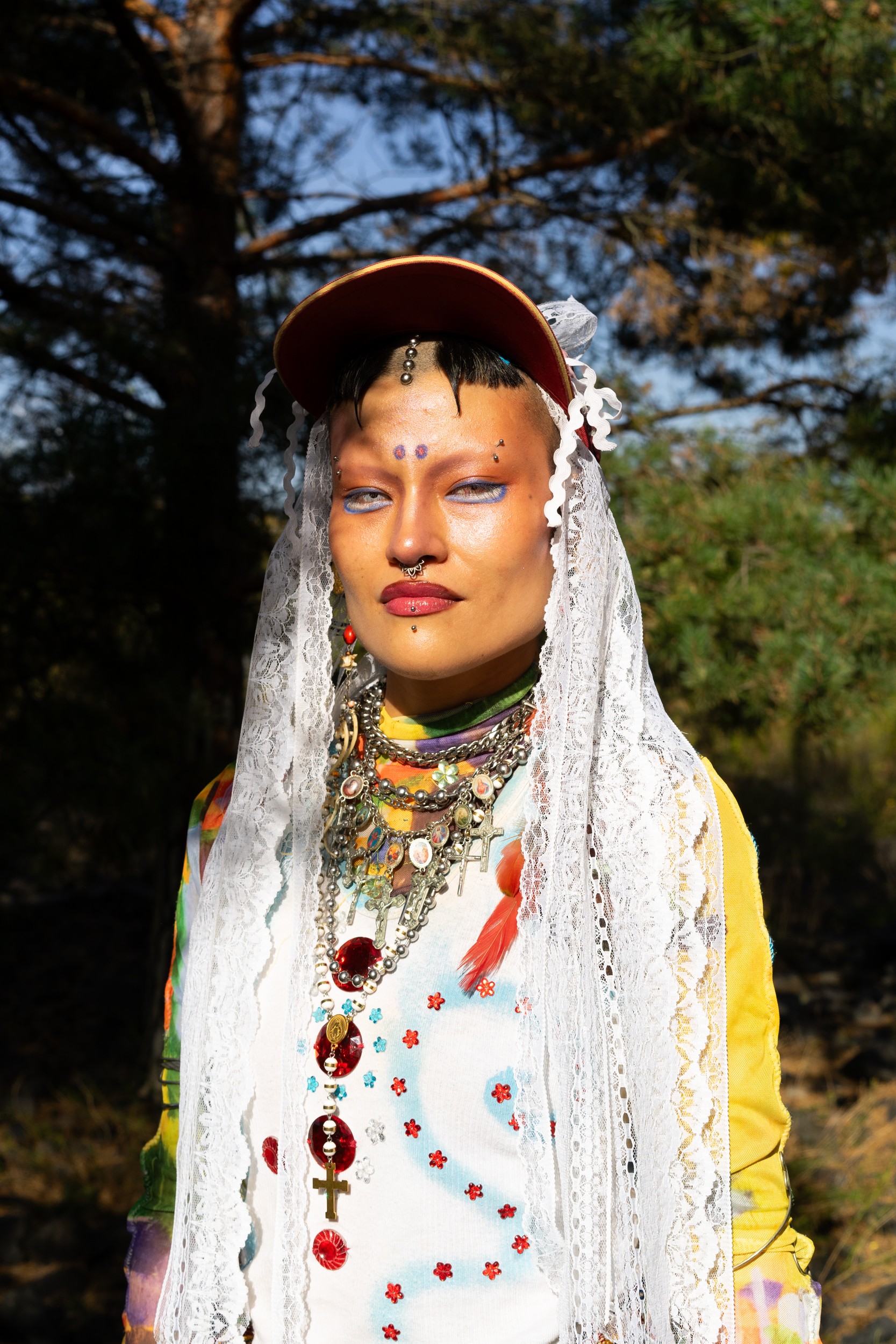
What happens to the human being when technology alters the very conditions of our existence?
Through the program Utopia and Collapse, three unique performing arts projects explore whether digital and biological advancements are leading us toward a better future or a total breakdown. From the invisible cancer cells in NanoPlanet and the body's vulnerable cycles in MORTALITIES, to the power-critical digital spaces of NFTs: Non Fuckable Tokens, our traditional views on identity and existence are put to the test. We have asked the directors behind these performances four identical questions about how they translate complex structures into physical stage experiences – and what kind of impact they hope to leave on the audience.
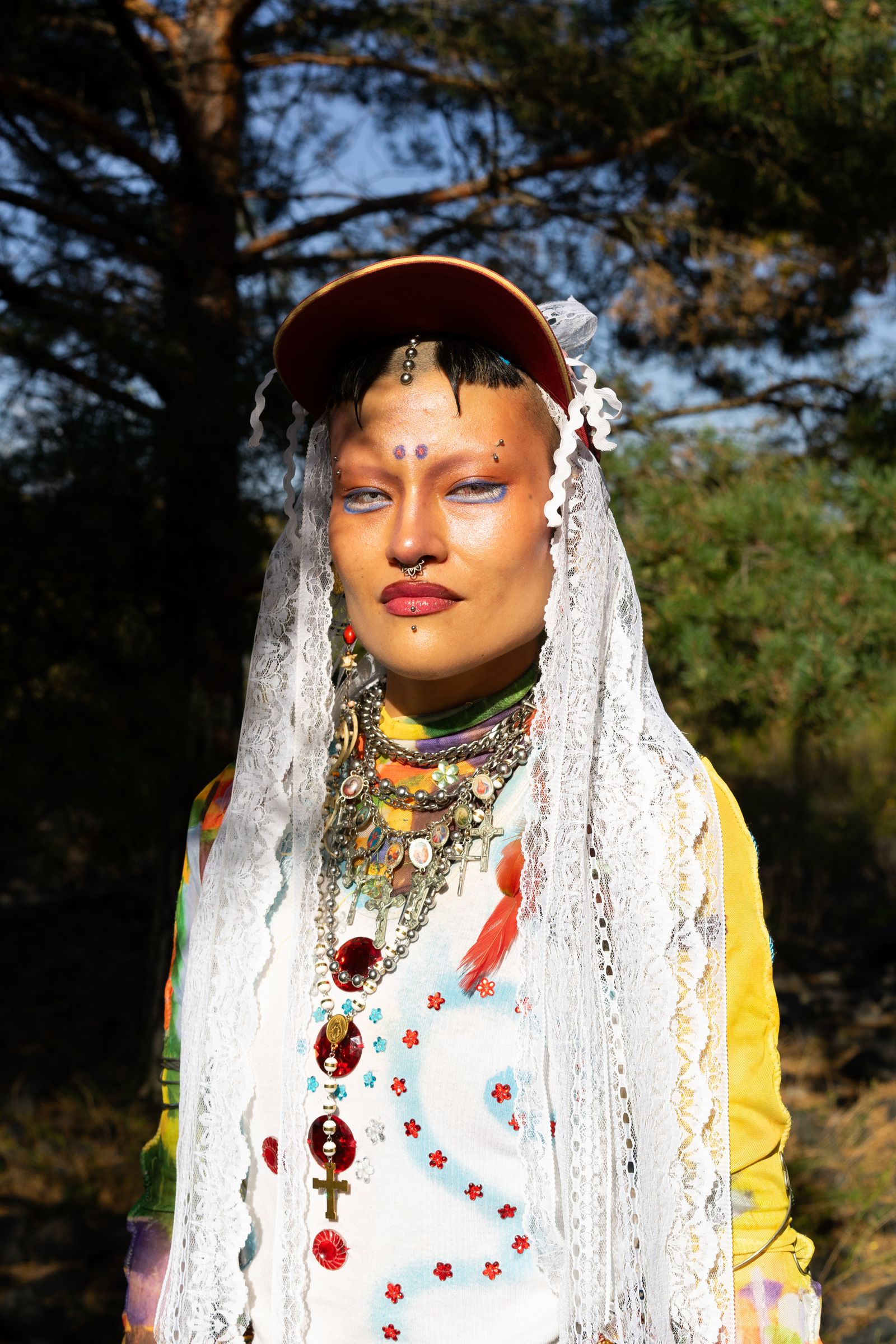
Interview with Claudix Vanesix NFTs: Non Fuckable Tokens
In what way does the performance challenge our traditional view of what a human being is? Creating a digital representation of who we are, allowing us to simultaneously understand our body and our avatar, our name + our username. By overlapping these two physical and digital components the performance makes explicit how they impact on each other, sometimes to create mimetism and sometimes to create contradiction, but always in dialog and co-dependency.
What dramaturgical function does VR have in the performance, and what does it do to the audience’s experience? Virtual and Augmented Reality could potentially be mediums in which the audience interacts with a performance, but in this case it is me who becomes an interface of these technologies. I use my body to allow the expectators to perceive how my interaction with an immersive world shapes the body that I have in their physical world, and I allow them to observe my two bodies in real time. VR and AR are the second layer in which the performance creates meaning, always augmentating the physical reality that we observe in the theater, and taking us to a version that responds to the reality, but that is not physical.
What is the biggest challenge in translating complex themes such as biology or digital structures into a physical stage experience? (How do you make the abstract concrete?) Shared knowledge. That is why the performance starts with an ABC of the web3 vocabulary. There are many relevant concepts for this conversation that are not yet massively known, things like what is a cryptocurrency, an NFT, extractivism, AI bias, etc. I try to give some information that is introductory, and also bring the conversation to the most relevant discussions like: Queer participation, AI regulation, market design, digital colonialism. I can not tell if I successfully make the abstract concrete, but I make my part by bringing certain topics into the conversation. I am fully aware that the learning curve for such topics will demand that the audiences keep finding information about them in the future in order to reach a more meaningful understanding of what these words mean and how their significance and development impacts their life.
What conversation do you hope the audience will start with each other afterwards? I encourage people to discuss their relationship with porn, with racism, with misogyny, role games and other forms of construction of ‘self’. As I use my body to criticize myself on diverse topics, I hope that the audience can see part of themselves in me, and become self-critical too. Also I hope that people find forgiveness for the things that they are critical about in themselves and each other, and that a form of collective self love and understanding of our process is shared.
● March 12–14 / 21:00–21:40 Lille scene
NFTs: Non Fuckable Tokens: A performance combining AR and VR. Duration approx. 40 minutes. Performed in English.