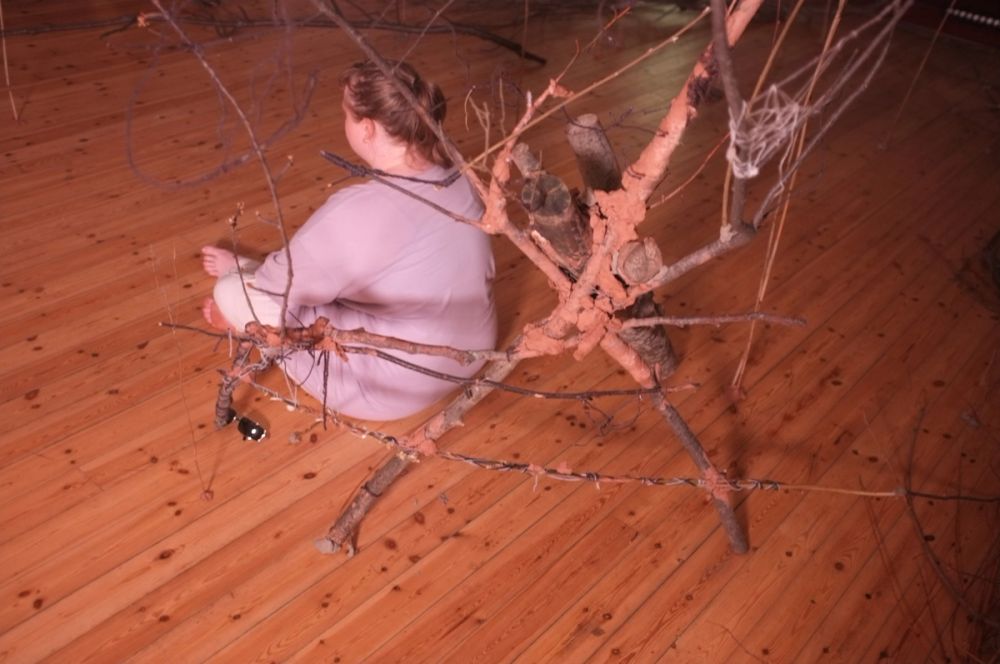
Utopia and Collapse: Conversations on Humanity and Technology
- Photo Tale Hendnes
What happens to the human being when technology alters the very conditions of our existence?
Through the program Utopia and Collapse, three unique performing arts projects explore whether digital and biological advancements are leading us toward a better future or a total breakdown. From the invisible cancer cells in NanoPlanet and the body's vulnerable cycles in MORTALITIES, to the power-critical digital spaces of NFTs: Non Fuckable Tokens, our traditional views on identity and existence are put to the test. We have asked the directors behind these performances four identical questions about how they translate complex structures into physical stage experiences – and what kind of impact they hope to leave on the audience.
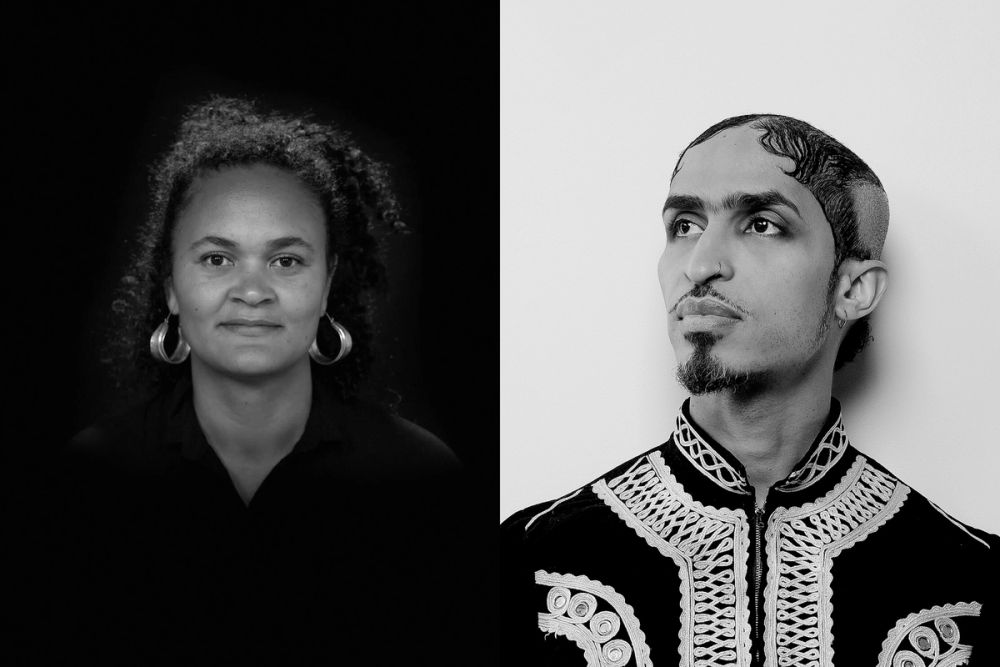
Interview with Karolina Bieszczad-Stie & Patryk Lichota: NanoPlanet
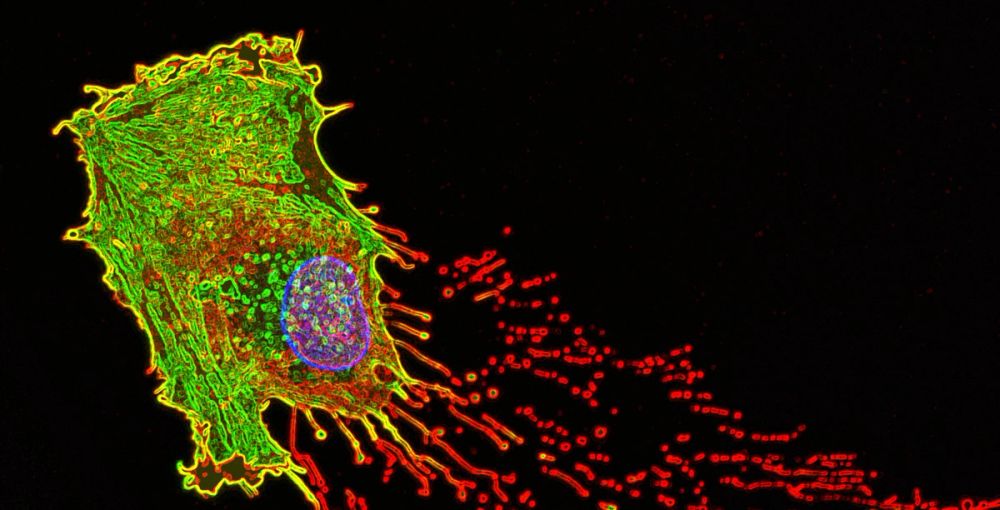
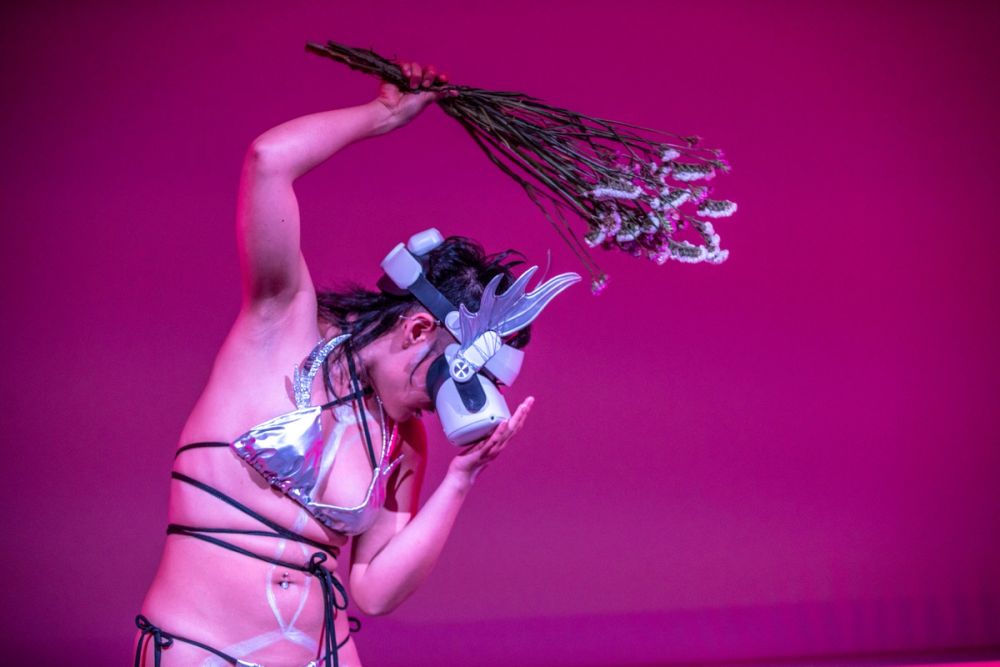
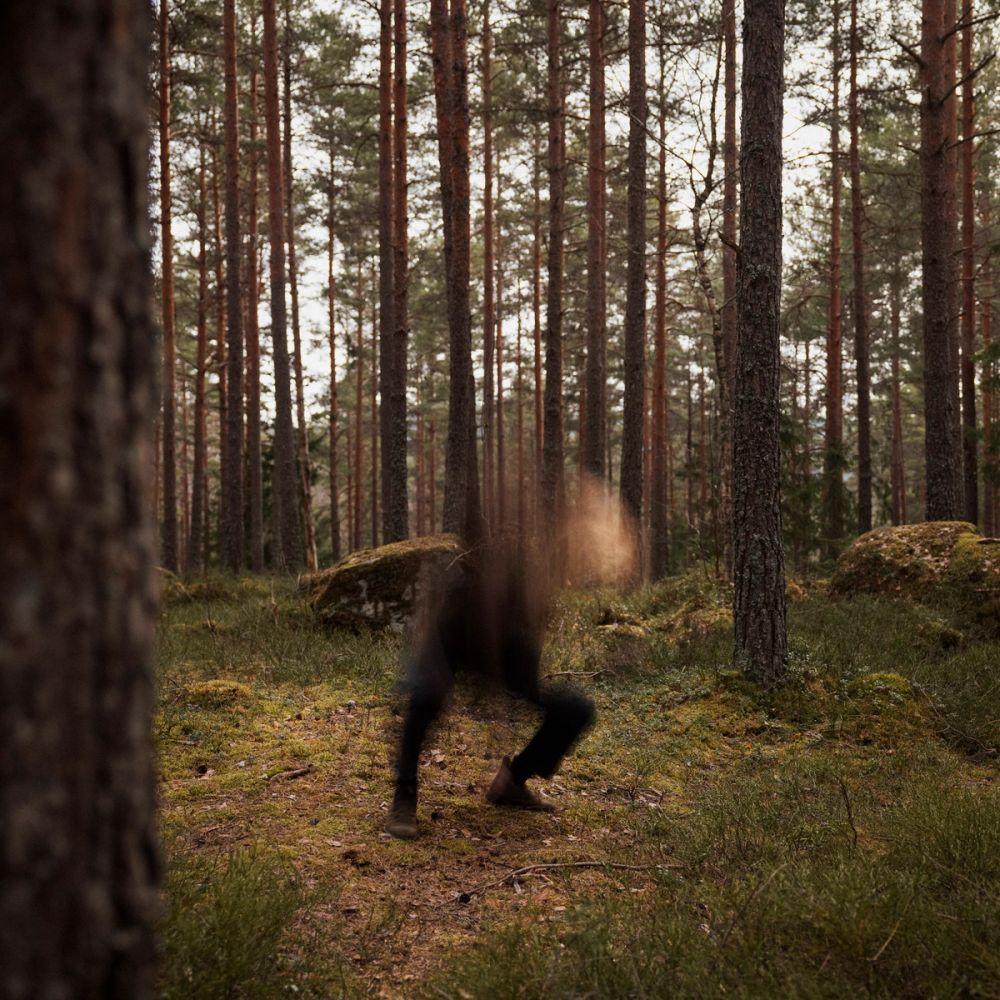
In what way does the performance challenge our traditional view of what a human being is? NanoPlanet challenges the idea of the human as a coherent, readable whole—one body, one surface, one viewpoint. In the work, the body is broken into fragments and redistributed: skin, breath, tremor and slow-gestures become bio-samples inside the landscape rather than something you “see performed” by a dancer in front of you. At the same time, the visitor is reduced to a moving point of attention inside a cellular environment: you don’t stand outside the body looking in—you are placed inside it. This shift destabilises familiar hierarchies: inside/outside, organism/environment, “normal”/“pathological.” Cancer appears not as an alien invasion but as an internal logic—life reorganising itself in a way that becomes destructive. The work therefore invites a more unsettling definition of the human: not a stable identity, but a temporary configuration of biological processes, scales, and thresholds—something you can move through, not simply be.
What dramaturgical function does VR have in the performance, and what does it do to the audience’s experience? VR functions as the dramaturgical structure of the work: it builds a world that unfolds through time, orientation, and repetition rather than through plot. The audience shapes the experience by how they move, pause, return, and re-approach—attention becomes an editing tool. Meaning accumulates gradually, through the visitor’s pacing and decisions. The dramaturgy is layered: a large-scale environment grounded in biomedical imaging, and quieter zones where human traces—movement and bodily sound—emerge only when you slow down enough to notice them. VR therefore turns the audience from viewers into navigators, and the dramaturgy is driven by discovery, not linear narration.
What is the biggest challenge in translating complex themes such as biology or digital structures into a physical stage experience? (How do you make the abstract concrete?) The main challenge is avoiding “illustration.” Biology and digital systems are often perceived as abstract because we usually meet them through screens, diagrams, or instruments. Our aim is to make them felt without simplifying them into a single metaphor. We do this by keeping the scientific structure present (real micrographs shaping the terrain), while translating complexity into concrete perceptual rules: scale inversion, navigable topology, and sensory thresholds (you only access the human fragments—and their intimate sounds—through closeness and time). In other words: the abstract becomes concrete through how the audience attends, moves, and lingers.
What conversation do you hope the audience will start with each other afterwards? We hope people talk about how we describe illness—especially cancer—without defaulting to the language of enemies, battles, and outsiders. What changes when we recognise malignancy as part of our own biology, rather than something “other”? We also hope the work sparks a discussion about knowledge and attention: what do we understand differently when we navigate a phenomenon instead of receiving information about it? How do interfaces shape what we notice, what we miss, and what we take to be “real”? And finally, we hope it opens a conversation about where dance and performance can belong today—when choreography moves into laboratories, datasets, and immersive technologies, how does that shift what we think performance is, who it is for, and what kinds of spaces it can inhabit?
● March 12–14 / 15:00–20:30 Foyer
VR installation and projection. Duration: approx. 10 minutes.
Free admission, drop-in.