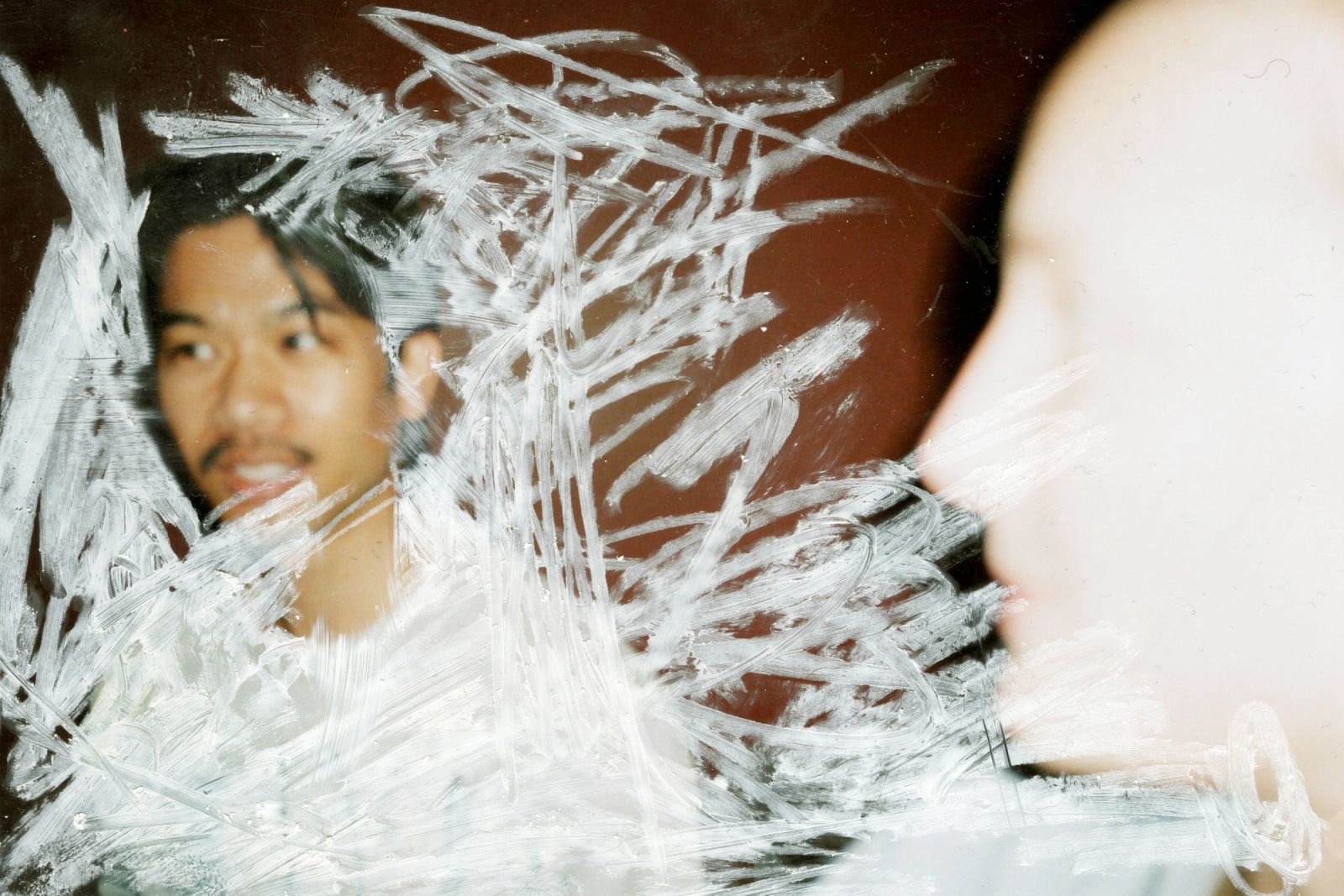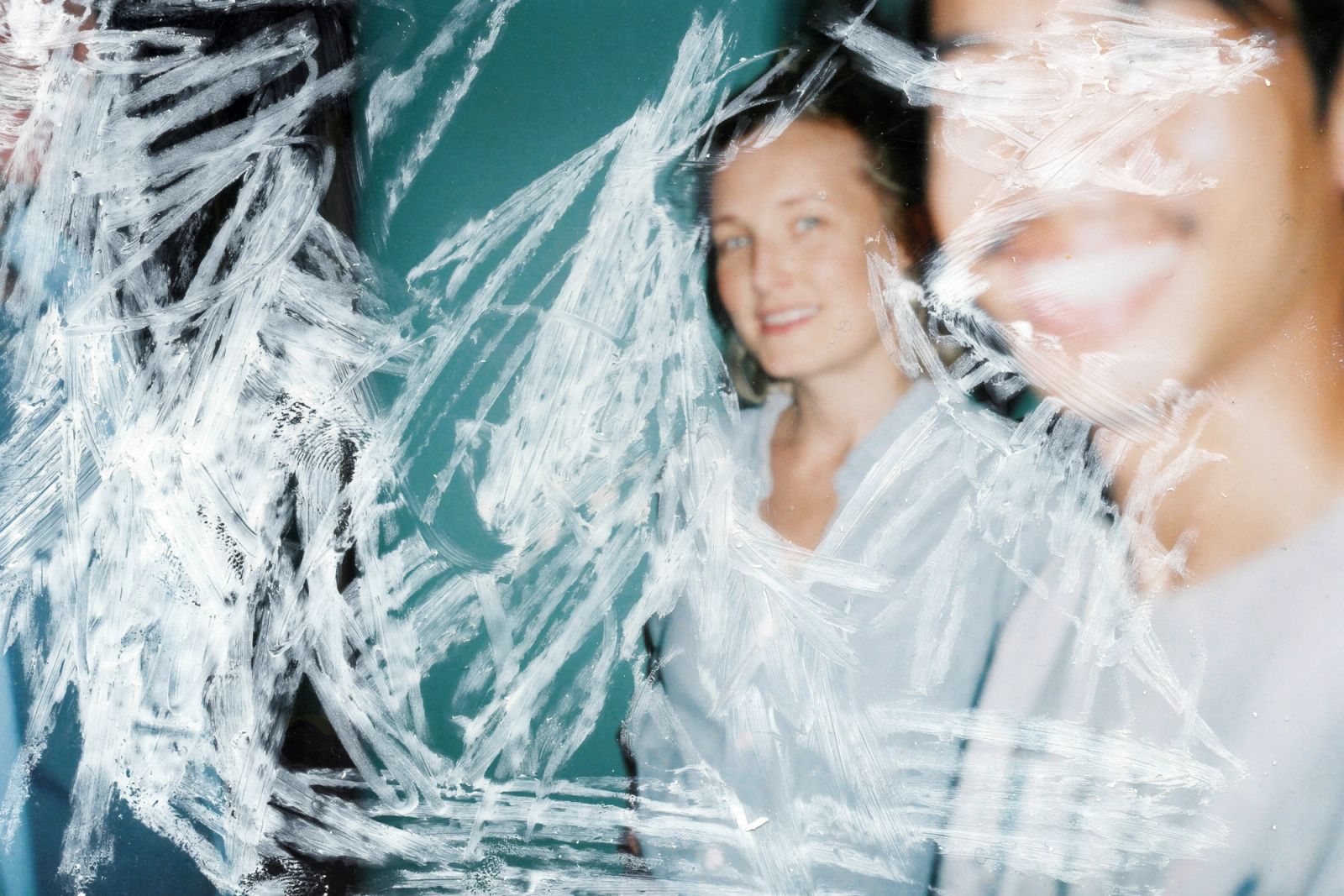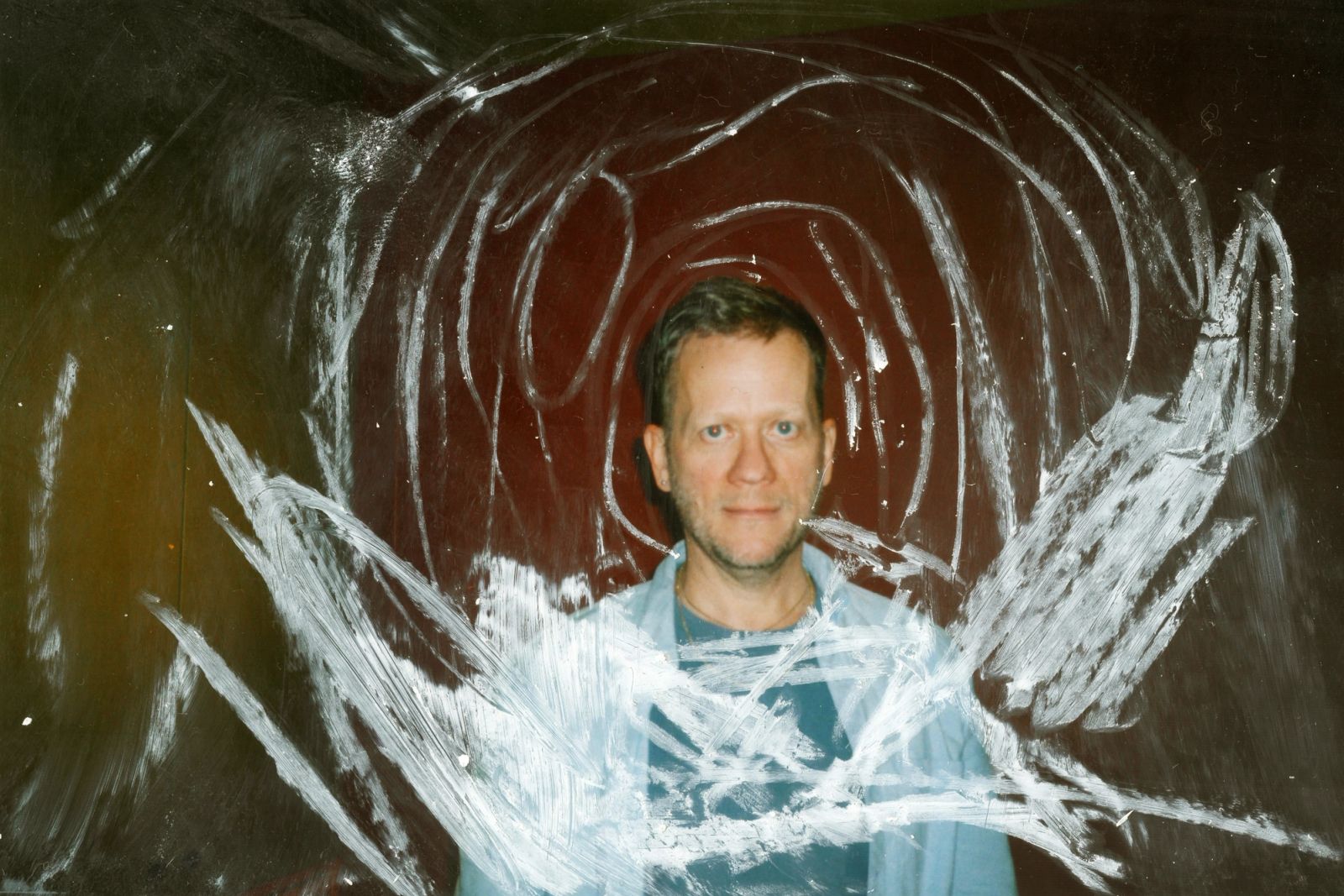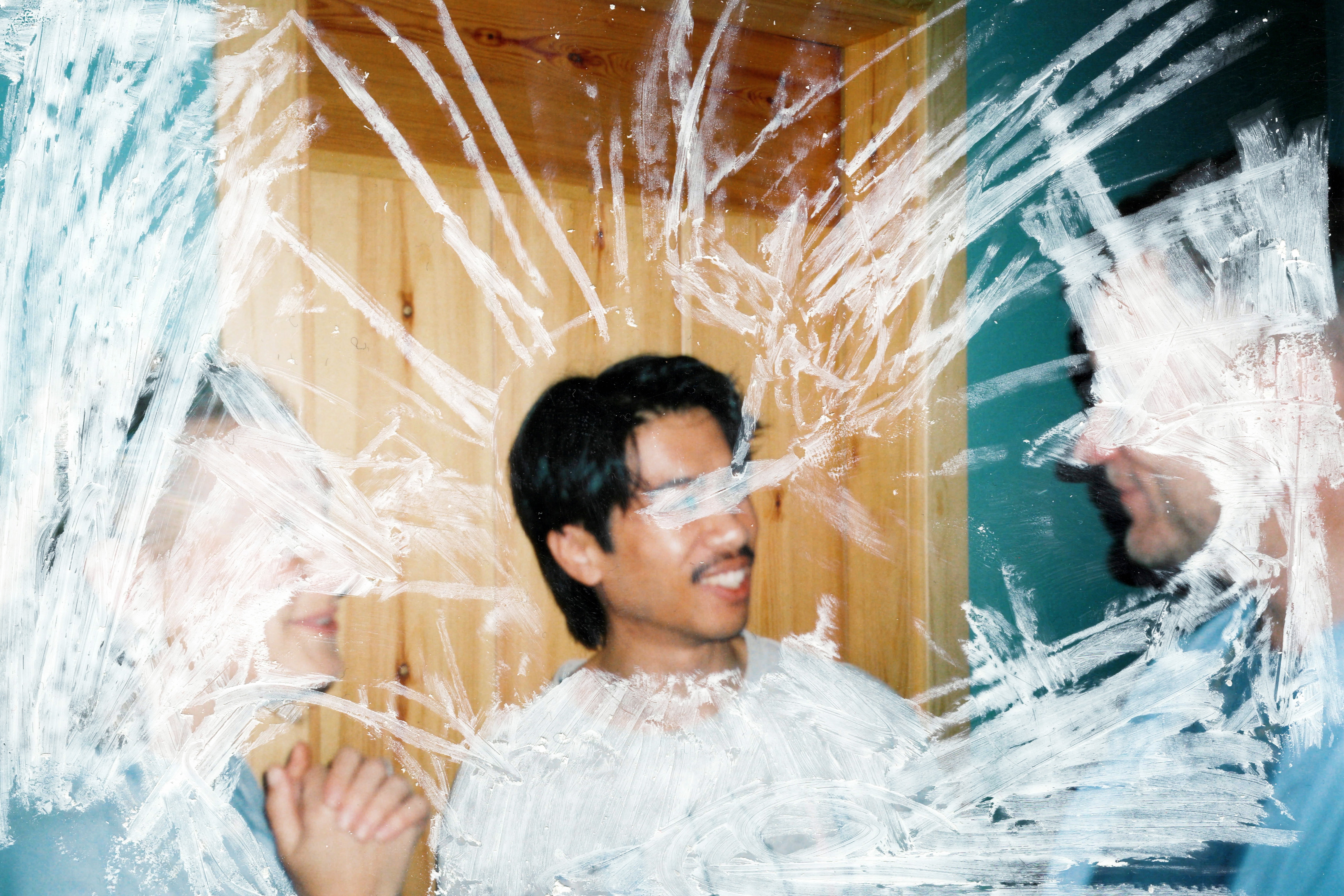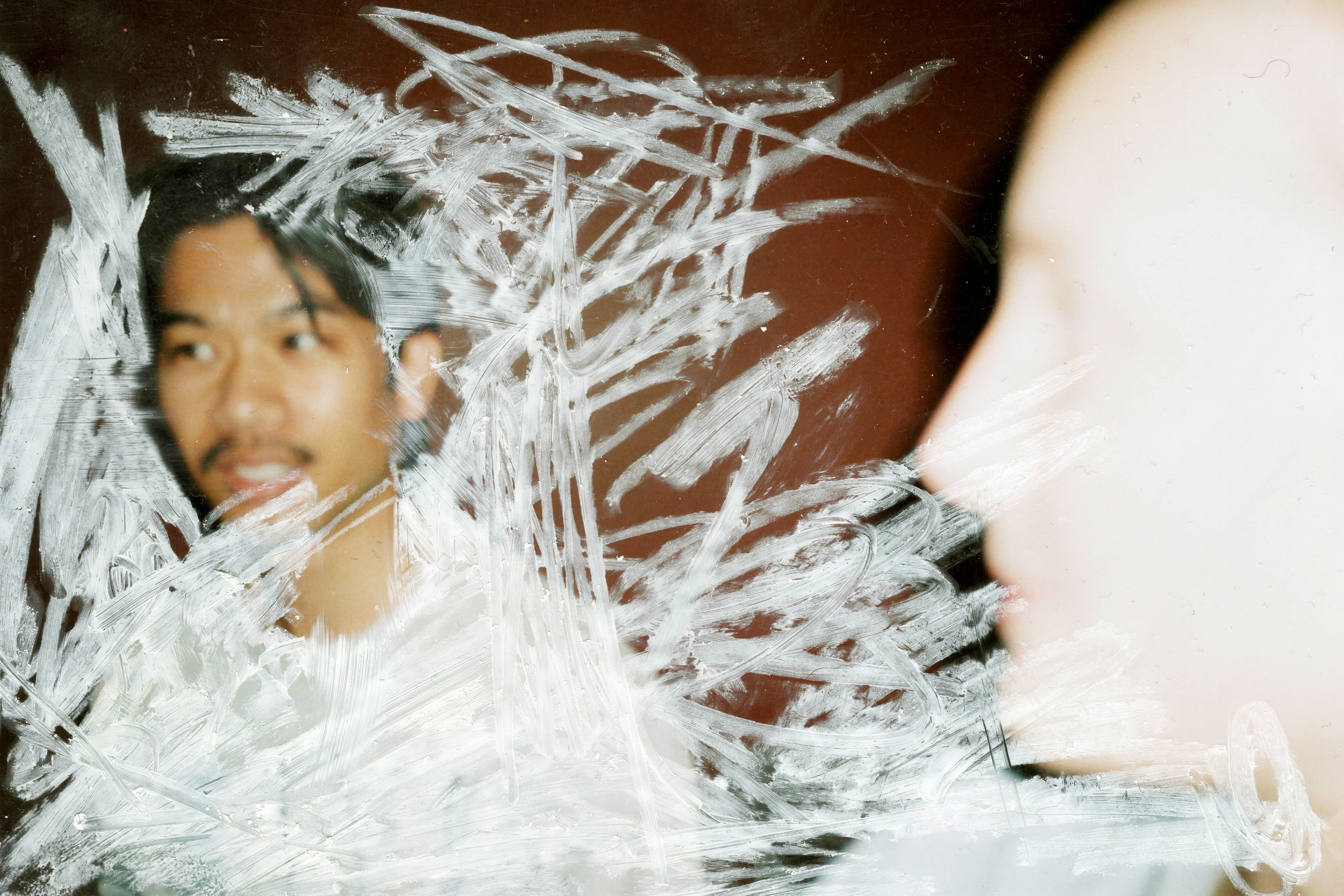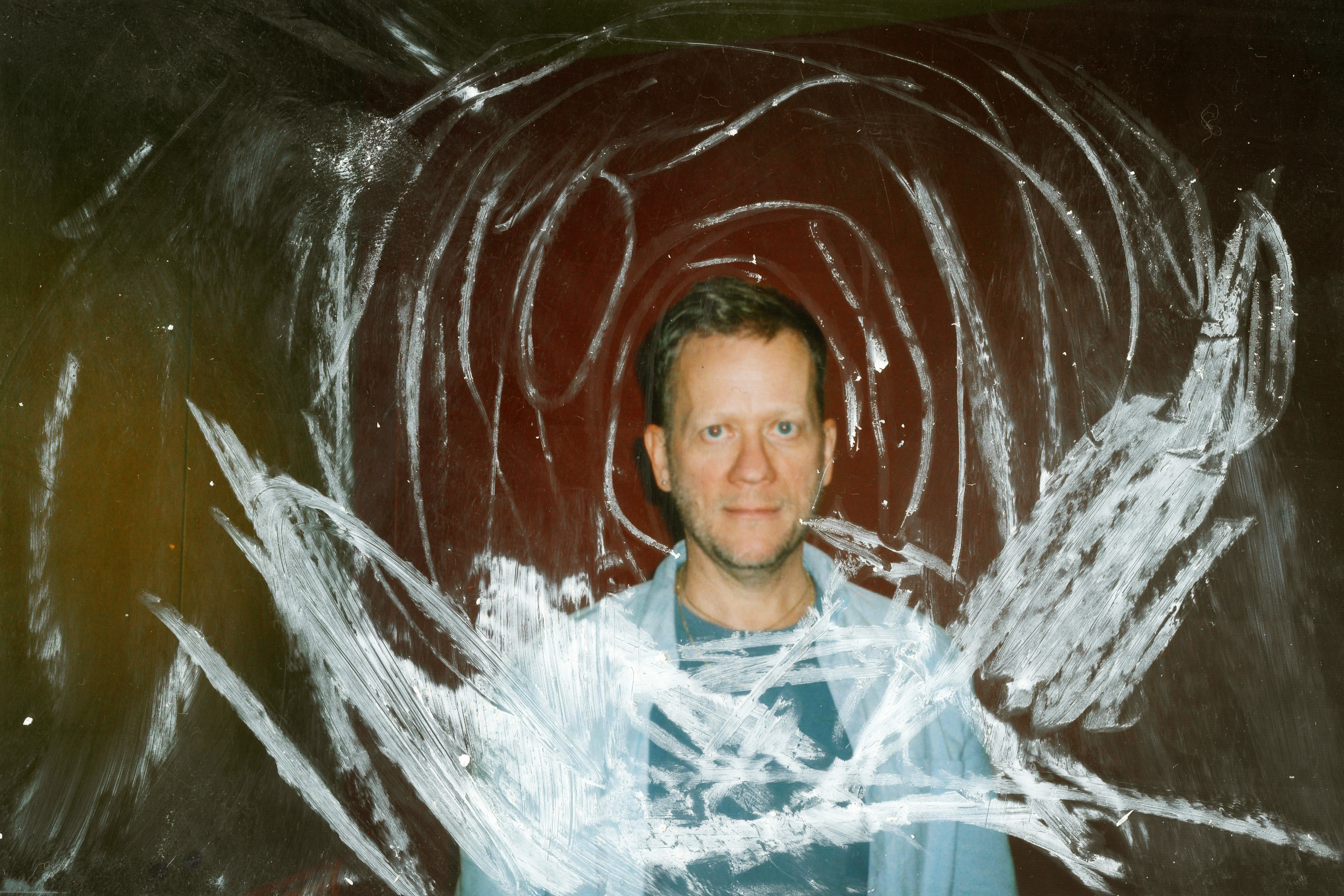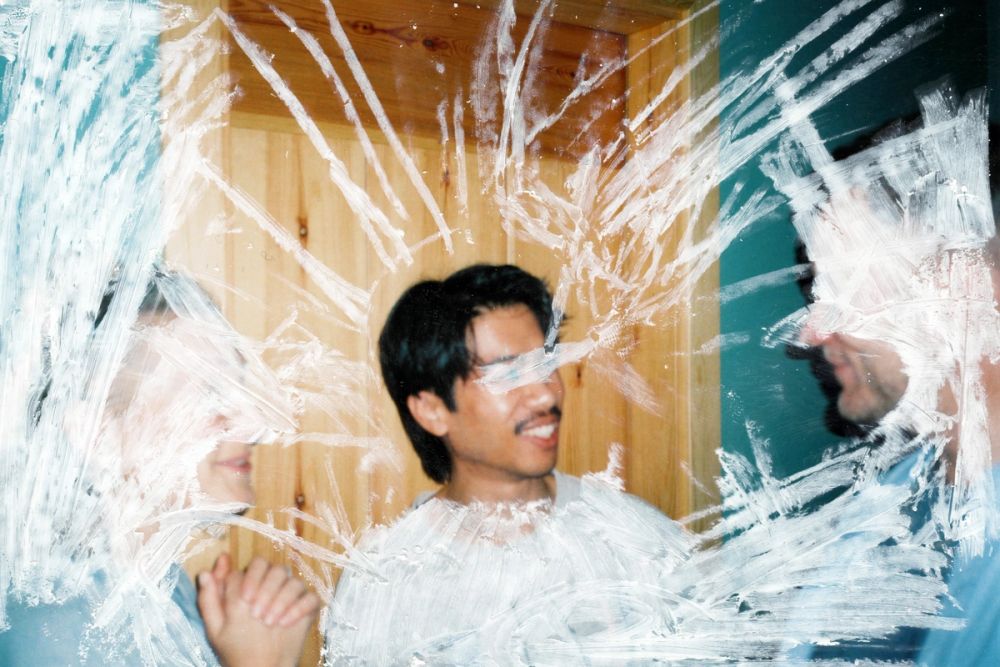
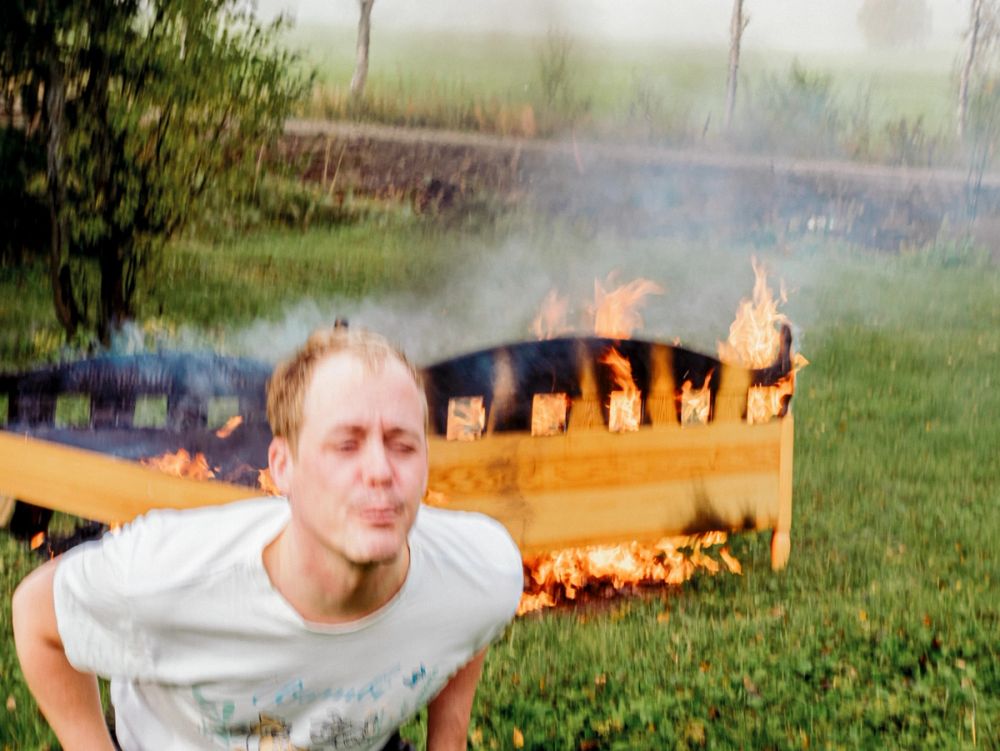

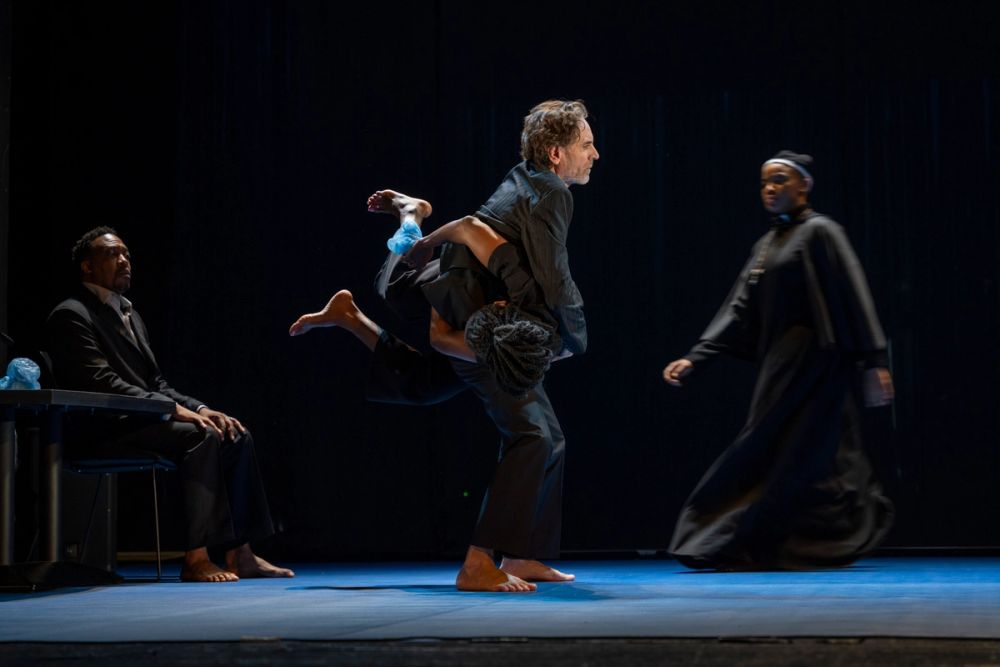
In 2020, Ymist created the performance “Melancholia II.” The intention has always been to combine Fosse’s double novel into one large-scale stage work, and now, six years later, this is being realised by expanding the performance with “Melancholia I.”
The mystery surrounding the illness and creative genius of landscape painter Lars Hertervig (1830–1902) is at the core of Jon Fosse’s two Melancholia novels. This tension is also one of the motifs in performing arts company Ymist’s extensive production Melancholia II–I. Ymist explores the dissolution of the mind, the shifts between hope and despair, the force of love, and existential loneliness. It delves into the loss of control over the body and the path toward death.
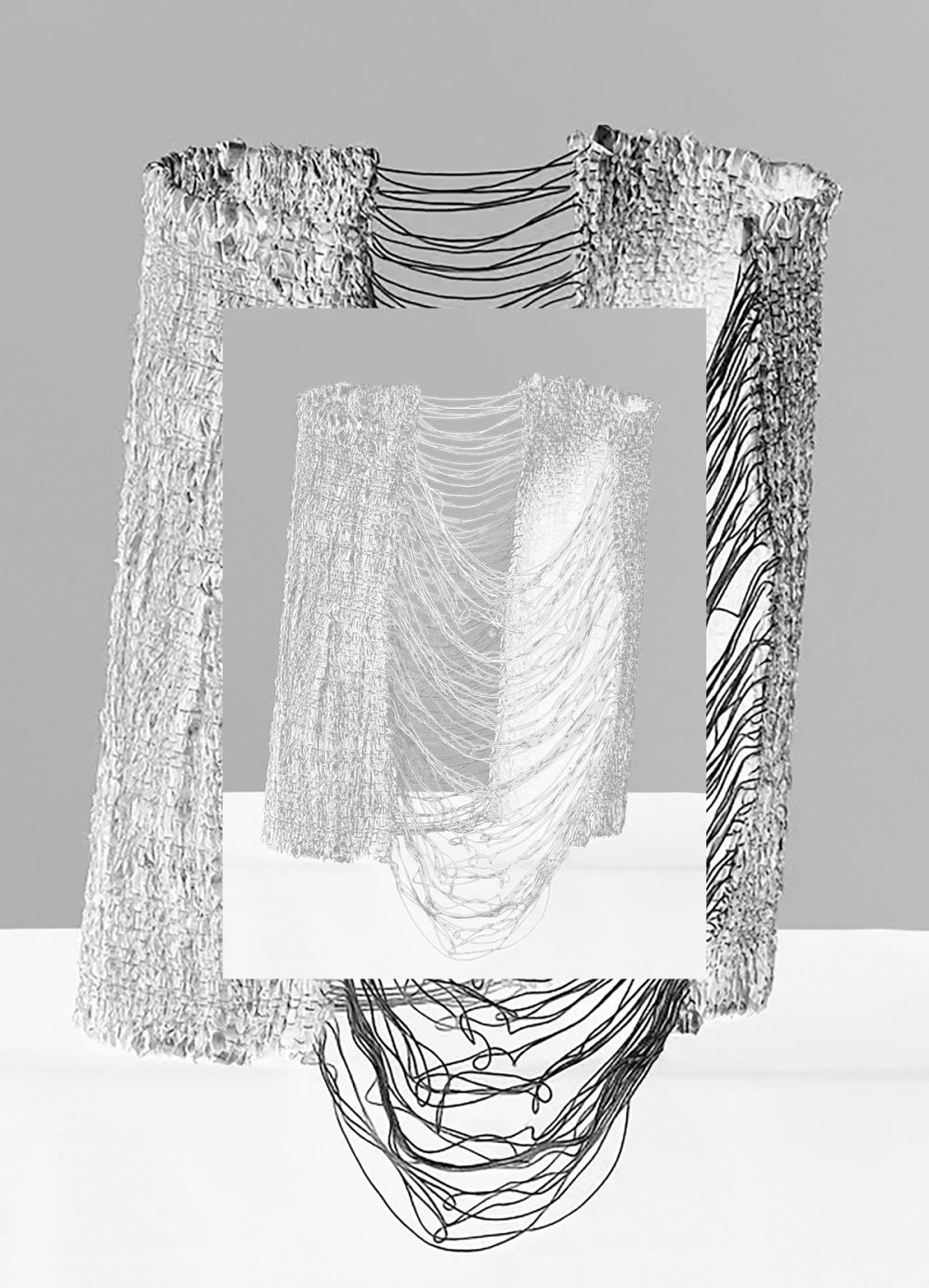
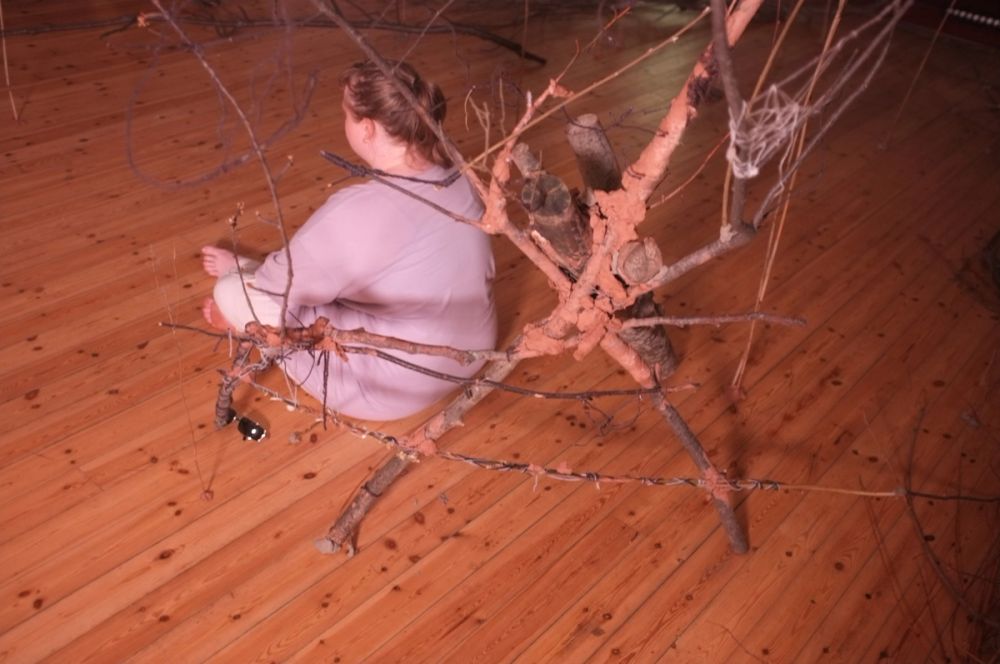
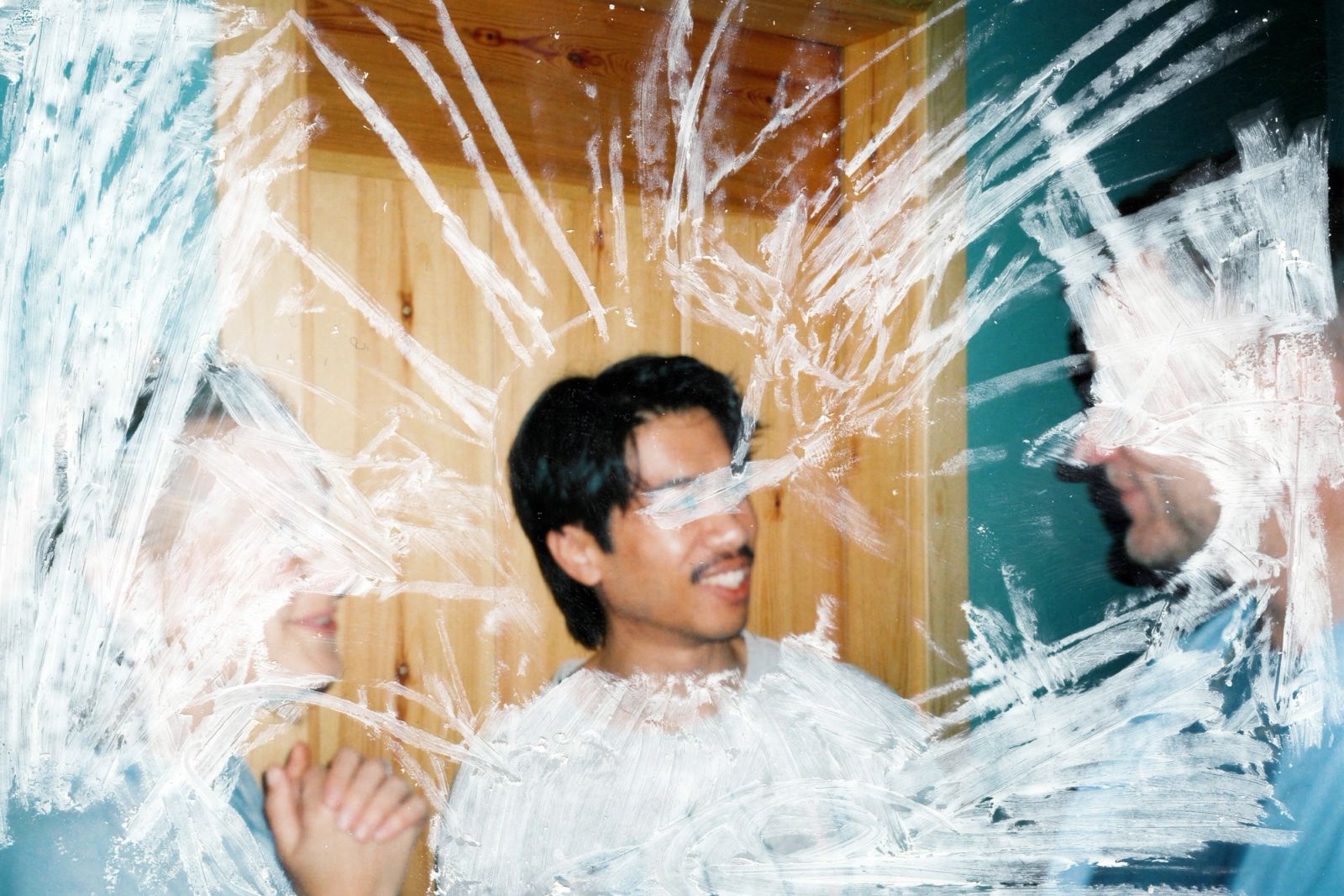
The performance lifts the novel text from the page into the performance space, letting it flow through the actors' bodies. Fosse's suggestive and almost impenetrable language takes scenic form in a large, holistic work of art, where the speaking and choreographed body is juxtaposed with the independent narratives created by the music, set design, and lighting design.
Lars Hertervig sought to capture the light in his paintings, and in several of his works, it seems as though light radiates from the images. He himself believed that constant staring at landscapes in sunlight and the lack of good colors were the reasons he became psychotic. “I shall paint your image away,” Lars repeats several times. Behind the destructive will inherent in this sentence lies a desire to create something new that was not there before. The sentence contains both a destructive and a life-giving drive – a darkness and a light. It is within this tension between light and darkness that the performance seeks to navigate.
Ymist reverses Fosse’s chronology and zooms in on Hertervig first through the memories his sister Oline has of Lars. Then through the author Vidme, who has decided: “Today Vidme would begin a novel that should have something to do with the paintings of the painter Lars Hertervig.” Finally, the audience is thrown into Lars’ own swirling thoughts and accelerating psychosis. He lies on the bed in his purple velvet suit, fearing the meeting with Hans Gude. For: “What if Hans Gude says that I can never become an artist. I must not let Hans Gude say that to me. I do not want to meet Hans Gude. Because I can paint.”
● Ymist works within a scenic language that insists the choreographed movement is as important as the spoken text. Where the polyphony of the actor’s body, voice, and physicality becomes the artistic focal point in the encounter with literature. The elements are not meant to illustrate but to challenge and oppose each other. The textual sources are non-dramatic texts with clear literary qualities. The focus of the work is to give the literature a body – and to embody the materiality of the text. Ymist was last seen at Black Box teater with Death in Venice by Thomas Mann in spring 2025.
The performance has two acts with an intermission between them.
Credits Melancholia II:
Original text: Jon Fosse. Performer: Morten Espeland. Choreographer: Erlend Samnøen. Dramatization, dramaturge: Oda Radoor. Set designer, costume designer: Maja Nilsen. Composer: Gaute Storsve. Lighting designer: Ingeborg Staxrud Olerud. Publisher: Colombine Teaterforlag. Supported by: Arts Council Norway, Fund for Sound and Image, Fund for Performing Artists, Bergesenstiftelsen, Fritt Ord, Oslo kommune, Hordaland fylkeskommune. Co-producer: Tou Scene.
Credits Melancholia I:
Original text: Jon Fosse. Performers: Huy Le Vo, Ine Marie Wilmann, Morten Espeland. Choreographer: Erlend Samnøen. Dramatization, dramaturge: Oda Radoor. Set design, costume: Kjersti Alm Eriksen. Composer: Nils Jakob Langvik. Lighting designer: Ingeborg Staxrud Olerud. Producer: Billie Barker. Technician: Daria Zarbeeva. Publisher: Colombine Teaterforlag. Supported by: Arts Council Norway, Fund for Performing Artists. Co-producer: Black Box teater.