Black Box teater turns 40 – let’s celebrate!
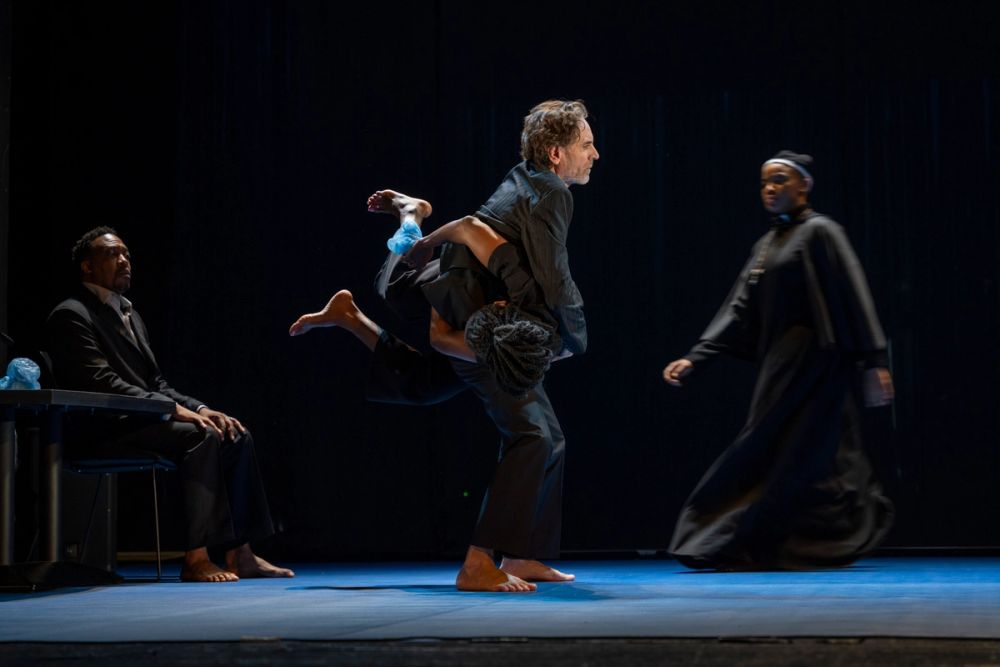
- Photo Istvan Virag
On November 4, 1985, the first performance was shown at Black Box teater at Aker Brygge: Opening of the Black Box. The program consisted of an artistic potpourri in four sections, with “christening gifts” from, among others, the Norwegian National Opera, Kantarellen Dance Company, Høvik Ballet, Stella Polaris, Grenland Friteater – and many more. This opening marked the beginning of a new chapter in Norwegian performing arts history, a chapter that is still being written. Now, this is being celebrated with a party and a dedicated performance program.
The establishment of Black Box teater sprang from the independent field’s great need for a professional venue in Oslo. Although several artists and groups managed to present their work, there was a shortage of venues with proper conditions. Much took place at alternative arenas, where artists had to do everything themselves – often resulting in makeshift solutions.
Theatre Centre (later Dance and Theatre Centre, and today PAHN) initiated the project Egen scene (Own Stage) in central Oslo. After much effort and active lobbying, Black Box teater was established – initially as a rental stage at Aker Brygge. The location was in many ways peculiar, as Kjetil Skøien aptly described in his contribution to Independent Groups and Black Box teater 1970–1995:
Oslo once had an underground, and it was located, among other places, where Black Box is now – old factories, shipyards, beautiful, full of history, of memories. Vikateatret was here, artists had studios here, there were rock clubs, cafés, a place for us. A clear sign of what was happening raw and direct, far from the established, fine culture. Then came the excavators, the dynamite, everything disappeared, and a beautiful new city arose. A place for shopping and parties. And Black Box, the stepchild, right in the midst of the abundance. (Skøien 1996, 145)
The new stage was long-awaited despite its location. There was room for almost everything. Dance, puppet theatre, performing arts for children and youth, performance, theatre productions, and even TV recordings took place side by side.
The first international guest performance was a visit from Odin Teatret with The Gospel According to Oxyrhincus in November 1985 (Buresund and Gran 1996, 152). Odin Teatret had been founded in Oslo in 1964 before moving to Holstebro, Denmark in 1966 where better financial conditions were available. The company’s founding thus preceded the establishment of the state’s first earmarked scheme for independent performing arts in 1982. Odin Teatret returned to Black Box teater in 2015 in connection with our 30th anniversary.
A shared and multifaceted history
The history of Black Box teater is inseparably linked to the development of independent performing arts, cultural-political struggles, and the growing interest in international guest performances and collaborations that came to shape the field nationally. Professional-political issues have also been of great importance. From the beginning, Black Box teater has been a central arena for new dance and choreography. In 2002, the first edition of the CODA Dance Festival was held, and shortly thereafter, in 2004, Dansens Hus was formally established – with the building opening in 2008.
Over time, Black Box teater wanted to cultivate a clearer artistic profile. In 1992, Inger Buresund was appointed Artistic Director. She laid the foundation for developing Black Box teater into a programming theatre. She was succeeded by Kristian Seltun in 2001, who, among other things, oversaw the move from Aker Brygge to the current premises in Marstrandgata in Rodeløkka. It was a long and extensive process. New premises in another district, however, made it possible to establish the teater as a social meeting place. Everyone who has visited knows we love our bar. Seltun established the Marstrand Festival, named after the street address. When Jon Refsdal Moe took over, he changed the festival name in 2013 from Marstrand to Oslo International Theatre Festival, which it is still called today. Although Black Box teater is indeed located on Marstrandgata, it seemed somewhat far-fetched to run a festival named after a small boat harbor on Sweden’s west coast. From 2016–2022, Anne-Cécile Sibué-Birkeland was Artistic Director. She emphasized opening Black Box teater toward the city, introduced us to new artists and presentation formats, and highlighted the teater as a social gathering point.
Throughout the years, Black Box teater has tried to maintain the curiosity and experimental spirit that has made room for fresh artistic departures and alternative working and expressive forms. At the same time, as the example of Odin Teatret demonstrates, it has also been important to carry the long lines forward and provide space for artistic practices that develop over time. This autumn, for instance, we are presenting performances by Lisa Lie and Transiteatret-Bergen, both of whom have performed at Black Box teater since the early 2000s.
When Black Box teater turned thirty, Refsdal Moe wanted to create a book that could frame the institution’s work. However, there was a lack of time, money, and an author for the task. Instead of a sequel to Independent Groups and Black Box teater 1970–1995, we initiated the book series Performing Arts Classics – an alternative form of historiography. Here, different authors take a deep dive into a chosen performance, thereby drawing parts of the larger artistic context that Black Box teater has been part of. Six books have already been published, and the seventh will be launched before Christmas.
Looking ahead
At the end of summer 2025, theatre director Robert Wilson passed away. He is considered one of the great innovators of theatre in modern times. With his emphasis on the visual, work with rhythm and sensory impressions, and the development of new dramaturgical understandings, he paved the way for artistic expressions and practices that transformed the field. For many, Wilson’s theatre seemed fresh and different in a performing arts tradition long dominated by dramatic theatre.
But are the great innovators still the ones setting the tone today? Much suggests that artistic development now emerges from several directions, creating a more pluralistic performing arts field. This is the result of a slow but profound shift. We see an increasing emphasis on marginalized voices, queer practices, and decolonial perspectives – as foundations for how art is both created and understood. It is about who is given space, who sets the framework, and which bodies and experiences are centered. Artistic renewal just as often arises in the collective, the unfinished, and the ambiguous, in the polyphonic rather than the masterpiece alone. It occurs through the rewriting of hierarchies – not only aesthetically, but structurally as well. Renewal does not necessarily lie in what shouts the loudest, but in what insists over time: on presence, difference, and new ways of being together. Contemporary performing arts are not defined by one voice, but by many. That is what makes it vital.
We celebrate our forty years by looking ahead – with a program that presents three projects by newly graduated artists from the Academy of Performing Arts, the Oslo National Academy of the Arts, and the Norwegian Film School at Inland Norway University of Applied Sciences. The choice of these institutions is not coincidental. The decision to close the Academy of Performing Arts weakens the diversity of performing arts education in Norway and will have ripple effects on the diversity of artistic expressions.
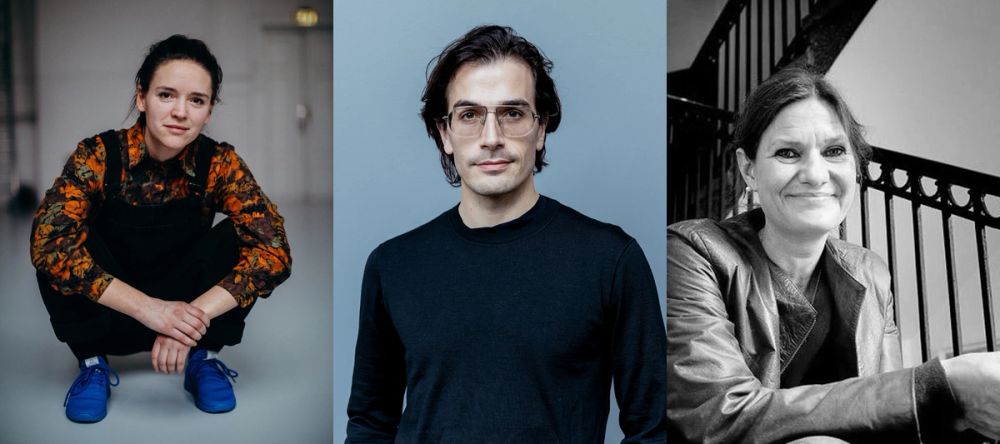
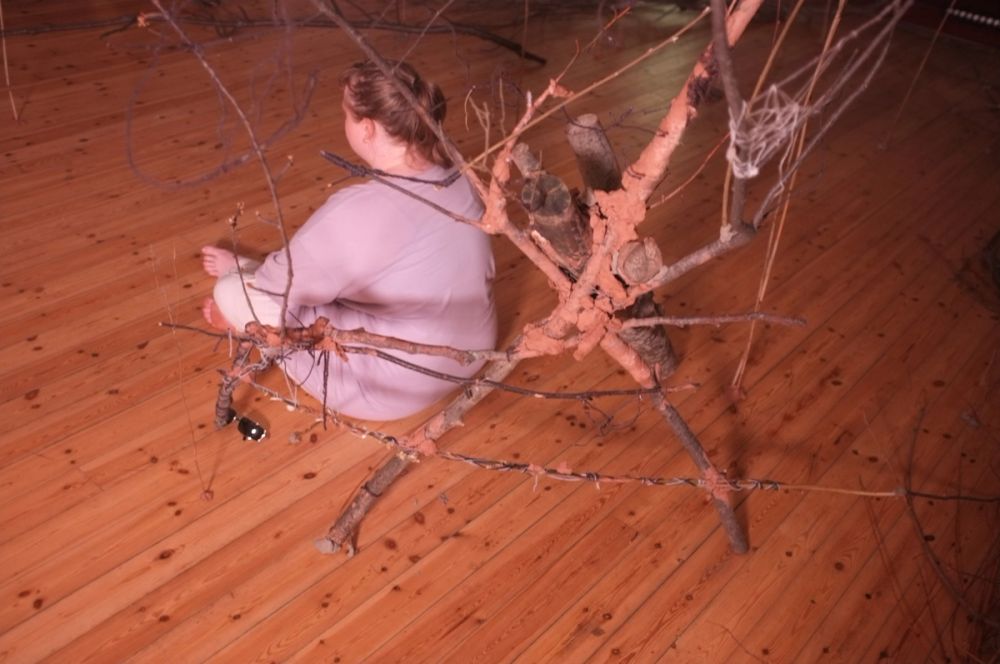
Anna Utermöhl Lund, Leila Tóth and Adam Manthey Steen (Academy of Performing Arts) present The Amazing Presents: ABSOLUTELY FANTASTIC (half a plan, half a miracle), a project celebrating the unfinished and the human. The Scorpios – Malene Juliussen, Sunniva Moen Rørvik and Vetle Springgard (Oslo National Academy of the Arts) present PARASITT 1, a work in dialogue with ABSOLUTELY FANTASTIC where the boundaries between the projects blur. Waad Amer (Norwegian Film School) contributes Before The SUN Disappears Again / Del 1 – Rett Ved Sak, a mobile installation combining VR, scenography, and film experience. Amer, The Scorpios, Utermöhl Lund, Tóth and Manthey Steen do not seek finished forms, but insist on the unfinished and relational. Their works open spaces for presence, community, and resistance – for vulnerability, the unexpected, and the other. By virtue of form, duration, and care, the works are political and point forward without pretending to know the direction.
Welcome to the anniversary celebration – we look forward to looking ahead together.
– Jørgen Knudsen
Artistic Director